
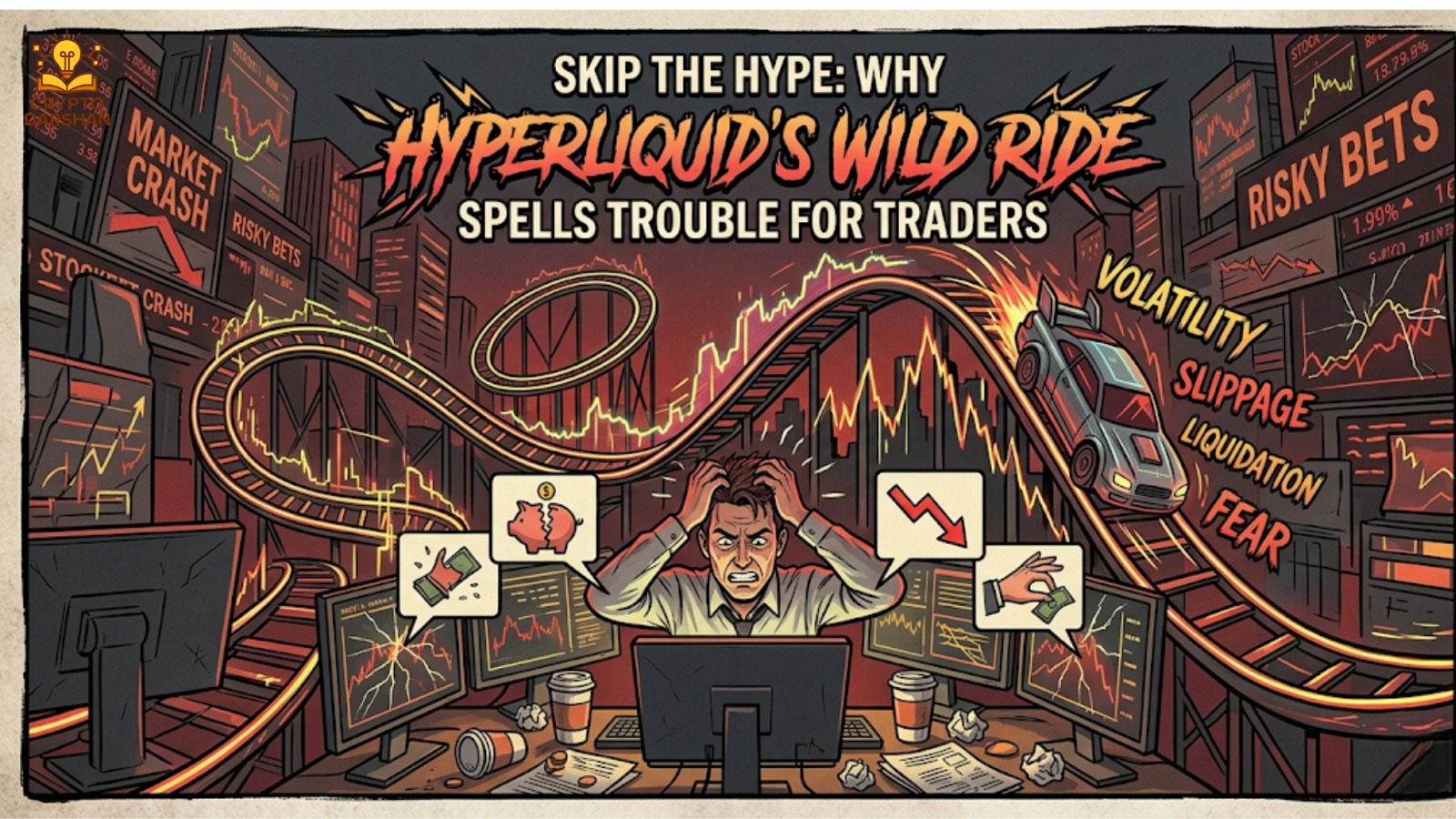
Hyperliquid has grabbed headlines in the crypto world with its explosive growth and flashy trading features. But beneath the buzz, experts warn it’s a high-risk play that could leave many investors regretting their bets. This article breaks down the platform’s story, its shiny appeal, and the big red flags you need to spot before jumping in.
What Makes Hyperliquid Tick?

Hyperliquid launched its native token, HYPE, back in late 2024 at just $3.20 a pop. Fast forward to today, and it’s hovering around $41, thanks to a massive surge fueled by real demand on its decentralized exchange, or DEX. This isn’t your average meme coin riding viral tweets. Hyperliquid powers a speedy Layer 1 blockchain built for perpetual futures trading, where users bet on price swings without owning the actual assets.
The platform stands out with super-low latency trades that beat out rivals like dYdX, drawing in high-volume traders who love its derivatives focus. Only 255 million tokens are circulating out of a 955 million total supply, creating scarcity that amps up the price when demand hits. Daily trading volumes have topped $6.3 billion at peaks, making it a go-to spot for leveraged bets in the DeFi space. For folks chasing quick gains, it feels like a winning ticket in the bull market.
Yet, this growth isn’t magic. It’s tied to the hype around decentralized perps, where traders use leverage to multiply wins—or losses. Early birds who got in low have seen huge returns, but that doesn’t mean the ride stays smooth.
The Thrilling Upside That Draws Crowds In

Let’s give credit where it’s due: Hyperliquid solves real headaches in crypto trading. Traditional exchanges can feel slow and clunky, but Hyperliquid’s HyperCore chain delivers trades in under a second with no gas fees eating your profits. It’s grabbed over 63% of the DeFi derivatives market share, proving traders trust its liquidity and speed.
Picture this: You’re eyeing Bitcoin’s next move but don’t want to hold the coin itself. On Hyperliquid, you open a perpetual contract with up to 50x leverage, riding the wave without the full risk. No KYC checks mean privacy for global users, and self-custody keeps your funds in your wallet, dodging centralized hacks. In a market where Bitcoin and Ethereum feel “safe” but boring, Hyperliquid offers the adrenaline rush many crave.
Plus, its limited float means even modest buying pressure sends prices soaring, as short sellers get squeezed out. During 2025’s altcoin rallies, HYPE outperformed, climbing in an ascending channel with higher highs and lows. For skilled traders, it’s a playground of opportunity—if you time it right.
Hidden Dangers Lurking Under the Surface

But here’s the catch: All that speed and leverage comes with strings attached. Hyperliquid is a young Layer 1 chain that hasn’t faced a full-blown crypto winter yet. What happens when markets crash and panic selling hits? Its unproven resilience could crack under pressure.
High leverage is the biggest trap. Platforms like this let you bet big on small moves, but flipside? Massive liquidations wipe out accounts fast. In Q4 2025 alone, $20 billion in liquidations rocked the space, with Hyperliquid in the hot seat. Take the POPCAT memecoin fiasco: Attackers pumped it to trigger $4.9 million in losses from the platform’s liquidity vault, showing how thin spots get exploited.
No KYC opens doors to bad actors. Reports flag money launderers using its anonymous, gasless trades to clean dirty funds—short tainted crypto on Hyperliquid, hedge long on a central exchange, and poof, profits look legit. Regulators like the SEC and CFTC are circling, probing these risks and potential market manipulation.
Then there’s the price game. HYPE’s gains look beta-driven, mirroring Bitcoin’s ups without unique sparks. Recent pulls to $34.50 support came on fading volume—a 43% drop—signaling weak conviction. RSI at neutral 47.3 means no oversold bounce coming, and a “Strong Sell” from moving averages hints at downside.
Why It’s High Beta, Low Confidence for Most

“High beta” means HYPE swings wilder than the market—great in bulls, brutal in bears. But low conviction? Its value hinges on one thing: perp trading volumes on its DEX. If competition heats up or economy sours, demand dries up fast. Unlike Bitcoin’s store-of-value status or Ethereum’s vast ecosystem, Hyperliquid bets everything on derivatives.
Smart money sees the fragility. Price action lacks volume-backed breakouts; it’s just tagging along Bitcoin’s $66.8k wobbles. Break below $34.50, and $32 support tests next. No fresh buyers? Range-bound misery between $32-$44. For average folks, not day-trading pros, this setup screams “buyer beware.”
Compare it simply:
Safer Paths Forward in DeFi

Ditch the FOMO. Stick to battle-tested plays like Bitcoin for hedges or Ethereum for real utility. Diversify into established DEXs with proven track records, and always use stop-losses on leveraged bets. Research on-chain metrics like open interest before diving in, tools like Dune Analytics show volumes early.
Regulations will tighten, too. As TradFi eyes DeFi, platforms ignoring compliance risk shutdowns. Build conviction with data, not hype.
Final Thoughts: Play Smart, Not Hype

Hyperliquid dazzles with speed and gains, but its high-beta thrills mask low-confidence pitfalls like leverage traps and untested tech. Great for pros timing the waves, but for everyday traders? It’s a rollercoaster best watched from afar. Focus on sustainable growth over quick flips, your portfolio will thank you. Stay informed, trade wisely, and remember: In crypto, conviction beats beta every time.