
The world of finance has undergone a radical transformation since the introduction of Bitcoin in 2009. What began as a decentralized digital currency experiment has evolved into a vast and complex ecosystem known as the crypto economy. This ecosystem now includes thousands of cryptocurrencies, blockchain networks, decentralized finance (DeFi) platforms, non-fungible tokens (NFTs), and a growing number of real-world applications. The journey from Bitcoin to DeFi represents not just technological innovation but also a fundamental shift in how value, trust, and ownership are perceived in the digital age.
This article explores the evolution of the crypto ecosystem, tracing its roots from Bitcoin’s inception to the rise of DeFi. It examines the underlying technologies, key milestones, major players, and the economic, social, and regulatory implications of this digital revolution.
If you’re new to crypto, start with Cryptocurrency Explained: How Digital Money Really Works.
FROM BITCOIN TO DEFI(Decentralized Finance)
The Birth of Bitcoin: The Genesis of a New Financial Era
The Problem Bitcoin Aimed to Solve
Before Bitcoin, digital transactions relied heavily on intermediaries such as banks and payment processors. These centralized systems controlled the flow of money, imposed fees, and required trust in third parties. The 2008 global financial crisis exposed the vulnerabilities of this model, leading to widespread distrust in traditional financial institutions.
Bitcoin emerged as a response to this crisis. Introduced by the pseudonymous creator Satoshi Nakamoto, Bitcoin was designed as a peer-to-peer electronic cash system that allowed users to send and receive payments without intermediaries. Its core innovation was the blockchain—a distributed ledger that records transactions transparently and immutably across a network of computers.
How Bitcoin Works?
Bitcoin operates on a decentralized network of nodes that validate and record transactions. Each transaction is grouped into a block, which is then added to the blockchain through a process called mining. Miners compete to solve complex cryptographic puzzles, and the first to solve it adds the block to the chain, earning newly minted bitcoins as a reward.
This process ensures security, transparency, and immutability. The blockchain’s decentralized nature makes it resistant to censorship and fraud, while its limited supply of 21 million bitcoins introduces scarcity, giving it value similar to precious metals like gold.
Bitcoin’s Impact on the Financial Landscape
Bitcoin’s introduction marked the beginning of a new financial paradigm. It challenged the monopoly of central banks, introduced the concept of digital scarcity, and inspired a wave of innovation in cryptography and distributed systems. Over time, Bitcoin evolved from a niche experiment to a global asset class, attracting investors, institutions, and governments.
Its success also paved the way for the development of alternative cryptocurrencies collectively known as altcoins that sought to improve upon Bitcoin’s limitations or explore new use cases.
The Rise of Altcoins and Blockchain Innovation

The Emergence of Ethereum
While Bitcoin was revolutionary, it was limited in functionality. It primarily served as a store of value and a medium of exchange. In 2015, Ethereum introduced a new concept: a programmable blockchain. Created by Vitalik Buterin, Ethereum allowed developers to build decentralized applications (dApps) using smart contracts self-executing agreements that run automatically when predefined conditions are met.
This innovation expanded blockchain’s potential beyond currency. Ethereum became the foundation for a wide range of applications, from decentralized exchanges to gaming platforms and digital identity systems.
Other Notable Altcoins
Following Ethereum’s success, numerous other blockchain projects emerged, each addressing specific challenges or offering unique features:
- Ripple (XRP): Focused on fast, low-cost cross-border payments for financial institutions.
- Litecoin (LTC): Designed as a faster, lighter version of Bitcoin.
- Cardano (ADA): Emphasized scalability, sustainability, and academic research.
- Polkadot (DOT): Aimed to enable interoperability between different blockchains.
- Solana (SOL): Known for high-speed transactions and low fees, ideal for DeFi and NFTs.
These projects collectively expanded the crypto ecosystem, introducing new consensus mechanisms, governance models, and use cases.
The Evolution of Decentralized Finance (DeFi)

What Is DeFi?
Decentralized Finance, or DeFi, refers to a suite of financial applications built on blockchain networks that operate without intermediaries. DeFi platforms replicate traditional financial services such as lending, borrowing, trading, and investing, but in a decentralized, transparent, and permissionless manner.
Instead of relying on banks or brokers, DeFi uses smart contracts to automate transactions and enforce rules. Users retain full control of their assets, interacting directly with protocols through digital wallets.
The Core Components of DeFi
- Decentralized Exchanges (DEXs): Platforms like Uniswap, SushiSwap, and PancakeSwap allow users to trade cryptocurrencies directly from their wallets without centralized intermediaries.
- Lending and Borrowing Protocols: Services such as Aave, Compound, and MakerDAO enable users to lend their crypto assets to earn interest or borrow against their holdings.
- Stablecoins: Cryptocurrencies pegged to stable assets like the US dollar (e.g., USDT, USDC, DAI) provide stability in a volatile market.
- Yield Farming and Liquidity Mining: Users can earn rewards by providing liquidity to DeFi protocols.
- Derivatives and Synthetic Assets: Platforms like Synthetix allow users to trade tokenized versions of real-world assets.
- Insurance Protocols: DeFi insurance projects like Nexus Mutual protect users against smart contract failures or hacks.
The Growth of DeFi
DeFi’s growth has been exponential. From less than $1 billion in total value locked (TVL) in early 2020, the sector surpassed $100 billion by 2021. This rapid expansion was fueled by innovation, high yields, and the promise of financial inclusion. DeFi opened access to financial services for millions of unbanked individuals worldwide, offering transparency and autonomy.
The Role of NFTs and Web3 in the Crypto Ecosystem

NFTs: Redefining Digital Ownership
Non-Fungible Tokens (NFTs) represent unique digital assets stored on the blockchain. Unlike cryptocurrencies, which are interchangeable, NFTs are one-of-a-kind and cannot be replicated. They have revolutionized industries such as art, gaming, and entertainment by enabling creators to monetize digital content directly.
NFTs gained mainstream attention in 2021 when digital artworks sold for millions of dollars. Beyond art, NFTs are now used for virtual real estate, collectibles, music rights, and identity verification.
Web3: The Next Internet Revolution
Web3 represents the next phase of the internet an ecosystem built on decentralization, user ownership, and blockchain technology. It envisions a world where users control their data, digital identities, and assets without relying on centralized platforms.
In the Web3 model, cryptocurrencies and DeFi serve as the financial backbone, while NFTs and decentralized applications form the social and creative layers. Together, they create a self-sustaining digital economy.
The Technology Behind the Crypto Ecosystem
Blockchain Fundamentals
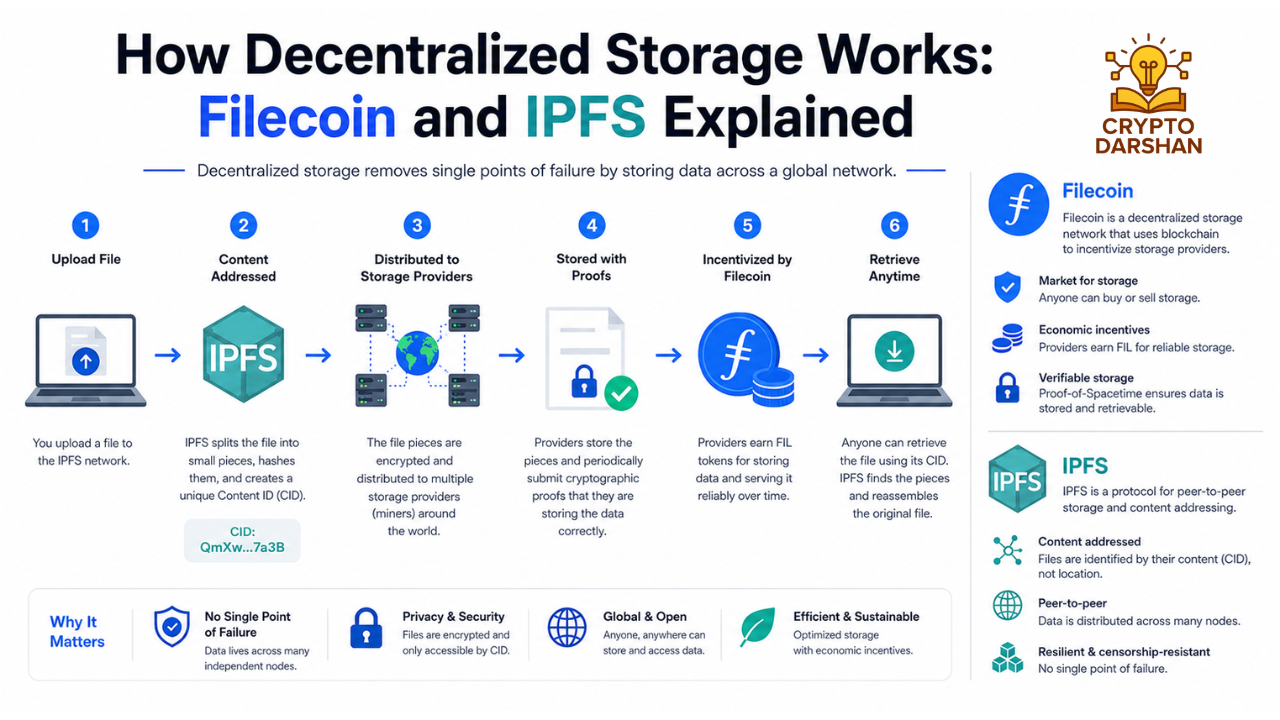
At the heart of the crypto ecosystem lies blockchain technology. A blockchain is a distributed ledger that records transactions across multiple nodes, ensuring transparency and security. Each block contains a cryptographic hash of the previous block, forming an immutable chain.
Key features include:
- Decentralization: No single entity controls the network.
- Transparency: All transactions are publicly verifiable.
- Security: Cryptographic algorithms protect data integrity.
- Immutability: Once recorded, data cannot be altered.
Consensus Mechanisms
Consensus mechanisms ensure that all participants in a blockchain network agree on the validity of transactions. The most common mechanisms include:
- Proof of Work (PoW): Used by Bitcoin, it requires miners to solve complex puzzles to validate transactions.
- Proof of Stake (PoS): Used by Ethereum 2.0 and Cardano, it selects validators based on the amount of cryptocurrency they stake.
- Delegated Proof of Stake (DPoS): Used by EOS and TRON, it relies on elected delegates to validate transactions.
- Proof of Authority (PoA): Used in private blockchains, where trusted validators are pre-approved.
These mechanisms balance security, scalability, and decentralization, shaping the performance and governance of blockchain networks.
The Economic and Social Impact of Crypto

Financial Inclusion
Cryptocurrencies have democratized access to financial services. In regions with limited banking infrastructure, digital wallets and DeFi platforms enable individuals to save, invest, and transact globally. This inclusion empowers people in developing economies and fosters economic growth.
Investment Opportunities
The crypto market has created new asset classes and investment strategies. From Bitcoin as a store of value to DeFi yield farming and NFT trading, investors have diverse opportunities to generate returns. Institutional adoption has further legitimized crypto as an alternative investment.
Challenges and Risks
Despite its potential, the crypto ecosystem faces several challenges:
- Volatility: Prices can fluctuate dramatically, posing risks to investors.
- Security Threats: Hacks, scams, and smart contract vulnerabilities remain concerns.
- Regulatory Uncertainty: Governments worldwide are still developing frameworks to regulate cryptocurrencies.
- Environmental Impact: Energy-intensive mining processes, particularly in PoW systems, raise sustainability issues.
Addressing these challenges is crucial for the long-term stability and credibility of the crypto industry.
Regulation and the Future of Crypto
Global Regulatory Landscape
Regulation plays a pivotal role in shaping the future of cryptocurrencies. Different countries have adopted varying approaches:
- Supportive Jurisdictions: Nations like Switzerland, Singapore, and the UAE have embraced crypto-friendly regulations to attract innovation.
- Restrictive Policies: Some countries, including China, have imposed strict bans on crypto trading and mining.
- Balanced Frameworks: The United States and the European Union are developing comprehensive regulatory frameworks to ensure consumer protection while fostering innovation.
Clear regulations can enhance investor confidence, reduce fraud, and encourage institutional participation.
The Path Ahead

The future of crypto lies in integration and innovation. As blockchain technology matures, it will increasingly merge with traditional finance, supply chains, healthcare, and governance systems. Central Bank Digital Currencies (CBDCs) are also emerging as a bridge between fiat and crypto economies.
DeFi is expected to evolve into a more regulated and interoperable ecosystem, while Web3 will redefine digital ownership and identity. The convergence of artificial intelligence, blockchain, and the Internet of Things (IoT) will further expand the possibilities of decentralized systems.
Conclusion
The journey from Bitcoin to DeFi represents more than a technological evolution—it signifies a paradigm shift in how society perceives money, trust, and value. Bitcoin introduced the concept of decentralized currency, challenging the dominance of traditional financial institutions. Ethereum and subsequent innovations expanded this vision, enabling programmable finance and decentralized applications.
Today, the crypto ecosystem encompasses a vast network of technologies, assets, and communities driving the future of digital finance. While challenges remain, the potential for innovation, inclusion, and empowerment is immense. As the world continues to embrace decentralization, the crypto revolution stands as one of the most transformative movements of the 21st century.
Crypto innovation developed over time, as explained in The Evolution of Cryptocurrency.