

In the digital age, data has become one of the most valuable resources in the world. Every click, search, and online interaction generates data that fuels the global economy. Yet, most individuals have little control over how their personal information is collected, stored, and monetized. Centralized corporations dominate the data economy, profiting from user information without offering fair compensation or transparency.
Decentralized data markets are emerging as a revolutionary solution to this imbalance. By leveraging blockchain technology, these markets empower individuals to own, control, and monetize their personal data directly. This transformation turns personal data into a new class of crypto assets, redefining how value is created and shared in the digital ecosystem.
This article explores the concept of decentralized data markets, their underlying technologies, benefits, challenges, and the future of personal data as a crypto asset. It also examines how these markets can reshape industries, enhance privacy, and create new economic opportunities for individuals worldwide.
The Current State of Data Ownership

Centralized Data Control
Today’s internet economy is dominated by centralized platforms such as social media networks, search engines, and e-commerce giants. These companies collect vast amounts of user data, including browsing habits, location information, purchase history, and personal preferences. This data is then analyzed and sold to advertisers or used to optimize algorithms that drive engagement and profit.
While users generate this data, they rarely receive any compensation. Instead, they often unknowingly agree to terms of service that grant companies extensive rights over their personal information. This imbalance has created a multi-trillion-dollar data economy controlled by a handful of corporations.
The Privacy Problem
Centralized data storage also raises serious privacy and security concerns. Data breaches, identity theft, and unauthorized surveillance have become common. Users have little visibility into how their data is used or who has access to it. Governments and regulators have introduced laws like the General Data Protection Regulation (GDPR) and the California Consumer Privacy Act (CCPA), but enforcement remains inconsistent, and compliance is often superficial.
The Need for Change
The growing awareness of data exploitation has sparked a global movement toward data sovereignty. Individuals are demanding more control over their digital identities and the right to benefit from the value their data generates. Decentralized data markets offer a technological and economic framework to make this vision a reality.
What Are Decentralized Data Markets?

Definition
In a decentralized market, technology enables investors to deal directly with each other instead of operating from within a centralized exchange. These markets use smart contracts to automate transactions, ensure transparency, and enforce data usage agreements. Participants can tokenize their data, turning it into digital assets that can be traded or monetized securely.
How It Works
- Data Ownership: Users retain full ownership of their data. They decide what information to share, with whom, and under what conditions.
- Data Tokenization: Personal data is converted into tokens or digital assets that represent ownership rights. These tokens can be traded or exchanged for cryptocurrency.
- Smart Contracts: Automated contracts execute transactions when predefined conditions are met, ensuring trust and eliminating the need for intermediaries.
- Encryption and Privacy: Advanced cryptographic techniques, such as zero-knowledge proofs and homomorphic encryption, protect user privacy while allowing data analysis.
- Marketplaces: Buyers, such as researchers, advertisers, or AI developers, can purchase data directly from users or data pools, paying with cryptocurrency or platform tokens.
Key Technologies
- Blockchain: Provides a transparent, immutable ledger for recording transactions and verifying data ownership.
- Smart Contracts: Enable automated, trustless agreements between data owners and buyers.
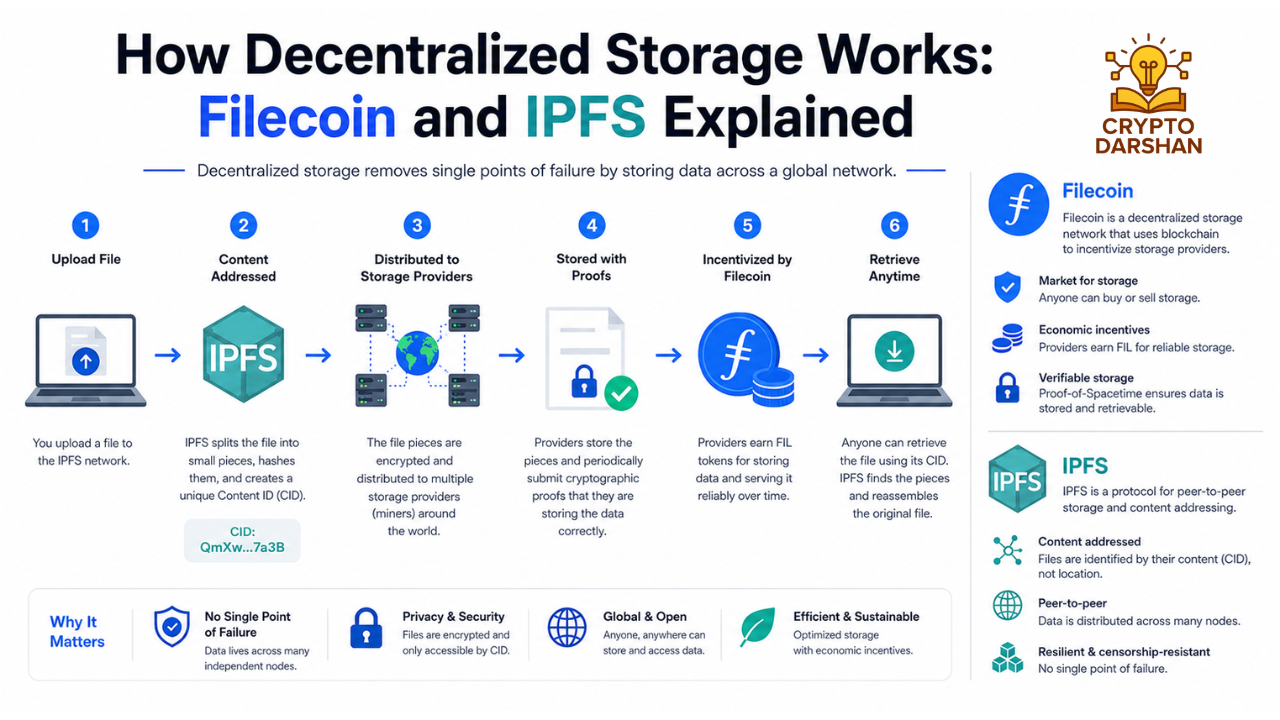
- Decentralized Storage: Systems like IPFS (InterPlanetary File System) or Filecoin store data securely without relying on centralized servers.
- Privacy-Preserving Computation: Techniques that allow data analysis without exposing raw data, ensuring confidentiality.
Turning Personal Data Into Crypto Assets

The Concept of Data Tokenization
Data tokenization is the process of converting personal information into digital tokens that represent ownership or access rights. Each token can correspond to a specific dataset, such as health records, browsing history, or social media activity. These tokens can be traded on decentralized platforms, allowing users to monetize their data directly.
For example, a user could tokenize their fitness data collected from a wearable device. A health research company might purchase access to this data for analysis, paying the user in cryptocurrency. The transaction is recorded on the blockchain, ensuring transparency and accountability.
Benefits of Data Tokenization
- Ownership and Control: Users maintain full control over their data and decide how it is used.
- Monetization: Individuals can earn income by sharing their data with trusted parties.
- Transparency: Blockchain ensures that all transactions are traceable and verifiable.
- Security: Decentralized storage and encryption protect data from unauthorized access.
- Incentivization: Token-based systems encourage ethical data sharing and discourage exploitation.
Examples of Data Tokenization Platforms
- Ocean Protocol: Enables data owners to publish, share, and monetize data while maintaining privacy.
- Datum: Allows users to store and sell their data securely using blockchain technology.
- Streamr: Focuses on real-time data streams, enabling users to monetize live data feeds.
- Wibson: Provides a decentralized marketplace for personal data, giving users control over their information.
Economic Implications of Decentralized Data Markets

Redefining Value Creation
In traditional data economies, corporations extract value from user data without compensation. Decentralized data markets invert this model by placing individuals at the center of value creation. Users become active participants in the data economy, earning rewards for their contributions.
This shift could lead to a more equitable distribution of wealth in the digital ecosystem. As data becomes a recognized asset class, individuals can build digital portfolios of data tokens, similar to owning stocks or cryptocurrencies.
New Business Models
Decentralized data markets open the door to innovative business models:
- Data-as-a-Service (DaaS): Individuals or organizations can offer data subscriptions to buyers.
- Collaborative Data Pools: Groups of users can combine their data to increase its value and negotiate better terms.
- AI Training Markets: Developers can purchase high-quality, ethically sourced data for machine learning models.
- Personal Data Funds: Investment funds could emerge that manage and trade data assets on behalf of users.
Impact on Industries
- Healthcare: Patients can share medical data with researchers while maintaining privacy, accelerating medical discoveries.
- Advertising: Brands can buy verified, consent-based data directly from consumers, improving targeting accuracy.
- Finance: Credit scoring and risk assessment can become more transparent and inclusive.
- Smart Cities: Citizens can contribute urban data for planning and sustainability projects, earning tokens in return.
- Education: Students and educators can share learning data to improve educational tools and earn rewards for participation.
Privacy and Security in Decentralized Data Markets

Protecting User Privacy
Privacy is a cornerstone of decentralized data markets. Unlike centralized systems, where data is stored in vulnerable silos, decentralized platforms use encryption and distributed storage to minimize risks. Users can share data insights without revealing raw information, thanks to privacy-preserving technologies.
Key Privacy Technologies
- Zero-Knowledge Proofs (ZKPs): Allow verification of data without exposing the data itself.
- Homomorphic Encryption: Enables computations on encrypted data, ensuring confidentiality.
- Differential Privacy: Adds statistical noise to datasets to prevent identification of individuals.
- Secure Multi-Party Computation (SMPC): Allows multiple parties to analyze data collaboratively without sharing raw inputs.
Security Advantages
- Decentralization: Eliminates single points of failure.
- Immutable Records: Blockchain ensures that data transactions cannot be altered or deleted.
- User Authentication: Cryptographic keys verify ownership and access rights.
- Auditability: Every transaction is traceable, promoting accountability and trust.
Challenges and Limitations

Technical Challenges
- Scalability: Blockchain networks must handle large volumes of data efficiently.
- Interoperability: Different platforms need standardized protocols for seamless data exchange.
- Data Quality: Ensuring accuracy and reliability of user-provided data remains a challenge.
- Energy Consumption: Some blockchain systems consume significant energy, raising sustainability concerns.
Legal and Regulatory Issues
- Data Ownership Laws: Legal frameworks for data ownership vary across jurisdictions.
- Compliance: Platforms must align with privacy regulations like GDPR and CCPA.
- Taxation: Income from data monetization may be subject to taxation, requiring clear guidelines.
- Liability: Determining responsibility in case of data misuse or breaches can be complex.
Adoption Barriers
- User Awareness: Many individuals are unaware of their data’s value or how to monetize it.
- Complexity: Blockchain and tokenization concepts can be difficult for non-technical users.
- Market Liquidity: Early-stage markets may lack sufficient buyers and sellers.
- Trust: Building trust in decentralized systems requires time and education.
The Role of Artificial Intelligence in Data Markets

AI and Data Synergy
Artificial intelligence thrives on data. The more diverse and high-quality the data, the better AI models perform. Decentralized data markets can provide AI developers with access to ethically sourced, high-quality datasets while ensuring user consent and privacy.
AI-Driven Market Optimization
AI can enhance decentralized data markets by:
- Matching Buyers and Sellers: Algorithms can connect data providers with relevant buyers.
- Pricing Data: AI can assess data value based on quality, demand, and uniqueness.
- Fraud Detection: Machine learning models can identify suspicious transactions or fake data.
- Personalization: AI can help users understand which data assets are most valuable to share.
Ethical AI Development
By ensuring that data is obtained transparently and with consent, decentralized markets promote ethical AI development. This approach reduces bias, enhances accountability, and fosters trust between AI systems and users.
The Future of Personal Data as a Crypto Asset

Data as a New Asset Class
As decentralized data markets mature, personal data will increasingly be recognized as a legitimate asset class. Individuals will manage their data portfolios, trade data tokens, and earn passive income from data sharing. Financial institutions may even introduce data-backed loans or investment products, integrating data assets into the broader digital economy. Institutional participation in emerging data marketplaces could mirror the capital inflows already transforming crypto markets, a trend highlighted in Ethereum ETF Developments & Institutional Buying: The Setup for an ETH Rally?
Integration with Web3
Decentralized data markets align with the principles of Web3 a user-centric internet built on decentralization, transparency, and ownership. In the Web3 ecosystem, users control their digital identities, assets, and interactions. Data tokenization complements this vision by giving users economic power over their information.
Global Economic Impact
The rise of data markets could democratize wealth creation, especially in developing regions where access to traditional financial systems is limited. Individuals could earn income by sharing data from mobile devices, IoT sensors, or social platforms, contributing to a more inclusive digital economy.
Environmental and Social Considerations
Sustainable blockchain solutions and energy-efficient consensus mechanisms will be essential to minimize environmental impact. Additionally, equitable access to data markets must be ensured to prevent digital inequality.
Case Studies and Real-World Applications

Ocean Protocol
Ocean Protocol enables data owners to publish and monetize data while maintaining control. It uses blockchain to ensure transparency and smart contracts to automate transactions. The platform has been used in industries such as healthcare, finance, and AI research.
Streamr
Streamr focuses on real-time data streams, allowing users to sell live data from IoT devices or applications. Its decentralized network ensures that data flows securely and efficiently between producers and consumers.
Wibson
Wibson provides a marketplace where users can sell verified personal data directly to advertisers. The platform emphasizes transparency, consent, and fair compensation.
Datum
Datum allows users to store and share data securely using decentralized storage. It offers a mobile app that lets users manage their data assets and earn tokens for sharing information.
Emerging Trends and Future Innovations

Cross-Chain Data Exchange
Future decentralized data markets will likely support cross-chain interoperability, allowing data assets to move seamlessly between different blockchain networks. This will enable broader participation and liquidity, connecting ecosystems like Ethereum, Polkadot, and Solana.
Integration with the Internet of Things (IoT)
As billions of IoT devices generate continuous streams of data, decentralized markets can provide a secure and efficient way to monetize this information. Smart homes, connected vehicles, and wearable devices can all become data producers, creating new revenue streams for individuals and businesses.
Decentralized Identity (DID) Systems
Decentralized identity solutions will play a crucial role in verifying data ownership and authenticity. By linking data tokens to verified digital identities, users can ensure that their information is trustworthy and compliant with privacy standards.
Tokenized Data Cooperatives
Communities and organizations may form data cooperatives where members pool their data to increase bargaining power. These cooperatives can negotiate better terms with buyers, ensuring fair compensation and collective governance.
Integration with DeFi (Decentralized Finance)
Data tokens could become collateral in decentralized finance applications. Users might stake their data assets to earn interest, participate in liquidity pools, or secure loans, merging the data economy with the broader DeFi ecosystem. The rapid expansion of decentralized finance platforms is also increasing on-chain activity and creating new yield opportunities, a trend explored in DeFi Yields Are Rising Again — But Is It Sustainable?
Education and Awareness Campaigns
To achieve mass adoption, education will be essential. Simplified user interfaces, tutorials, and awareness campaigns can help individuals understand how to manage and monetize their data safely. Governments, NGOs, and tech companies can collaborate to promote digital literacy and data rights.
The Social and Ethical Dimensions of Data Ownership

Decentralized data markets are not only technological innovations but also social movements that redefine digital ethics. They challenge the long-standing power imbalance between corporations and individuals.
Empowering Digital Citizens
By giving individuals control over their data, decentralized systems promote digital autonomy. People can decide how their information contributes to research, innovation, or commerce. This empowerment fosters a sense of ownership and responsibility in the digital world.
Ethical Data Sharing
Ethical data sharing ensures that information is used for positive purposes such as scientific research, environmental monitoring, or social development. Decentralized systems can include governance mechanisms that allow communities to vote on how shared data is used, ensuring collective benefit.
Bridging the Digital Divide
In many parts of the world, people generate valuable data but lack access to financial systems. Decentralized data markets can bridge this gap by turning data into a source of income. This inclusion can help reduce poverty and promote economic equality.
Building Trust Through Transparency
Transparency is essential for trust. Blockchain’s immutable nature ensures that all transactions are visible and verifiable. This openness discourages misuse and builds confidence among participants, creating a fairer digital ecosystem.
Steps Toward Building a Decentralized Data Economy

- Education and Awareness: Promote understanding of data ownership and monetization.
- User-Friendly Platforms: Simplify interfaces to attract mainstream users.
- Regulatory Collaboration: Work with policymakers to establish clear legal frameworks.
- Interoperability Standards: Develop protocols for cross-platform data exchange.
- Incentive Mechanisms: Reward ethical data sharing and discourage misuse.
- Sustainability Initiatives: Adopt energy-efficient blockchain technologies.
- Community Governance: Empower users to participate in platform decision-making.
- Global Partnerships: Encourage collaboration between governments, startups, and research institutions to expand decentralized data ecosystems.
Decentralized Data Markets: Turning Personal Data Into Crypto Assets – FAQ

1. What are decentralized data markets?
Decentralized data markets are blockchain-based platforms where individuals and organizations can buy, sell, or share data directly without intermediaries. Instead of corporations controlling user data, blockchain systems allow individuals to retain ownership and monetize their information through smart contracts and decentralized networks.
2. How can personal data become a crypto asset?
Personal data can be tokenized using blockchain standards such as NFTs or specialized data tokens. Once tokenized, the dataset represents a digital asset that can be traded, licensed, or monetized on decentralized platforms, similar to other crypto assets.
3. Why are decentralized data markets gaining attention in Web3?
They address a major issue of the modern internet: data monopolies controlled by big tech companies. Decentralized markets give individuals ownership of their data and allow them to receive compensation when companies or researchers use it.
4. How do blockchain and smart contracts support these markets?
Blockchain acts as a transparent, tamper-proof ledger that records data transactions. Smart contracts automatically execute agreements between data buyers and sellers, ensuring secure payments and enforcing usage conditions without intermediaries.
5. What types of data can be traded in decentralized data markets?
Various types of data can be monetized, including:
- Health and fitness data
- Social media activity
- Location or mobility data
- IoT device data
- AI training datasets
These datasets can be packaged and sold individually or aggregated for analytics and machine learning purposes.
6. How do users maintain privacy when selling personal data?
Many decentralized platforms use privacy-preserving technologies such as encryption, pseudonymous identities, and zero-knowledge proofs. These methods allow data to be verified or analyzed without exposing the user’s full personal identity.
7. What are examples of decentralized data marketplace models?
Examples include:
- Data NFTs representing ownership of datasets
- Data cooperatives where communities pool and sell data collectively
- Tokenized AI training datasets used by developers and research institutions
These models allow individuals to participate directly in the digital data economy.
8. What are the potential benefits of turning data into crypto assets?
Key benefits include:
- User ownership and control of personal data
- New revenue streams for individuals
- Transparent data usage tracking
- Reduced reliance on centralized data brokers
This model transforms data from a passive byproduct into an active economic asset.
Conclusion
Decentralized data markets represent a paradigm shift in the digital economy. By turning personal data into crypto assets, they empower individuals to reclaim ownership, privacy, and economic value. Blockchain technology, smart contracts, and privacy-preserving tools make it possible to build transparent, secure, and equitable data ecosystems.
As these markets evolve, they will redefine how data is valued, traded, and protected. The transformation from centralized control to decentralized empowerment marks a new era of digital freedom one where individuals are not just data sources but active participants in the global data economy. The future of personal data lies in decentralization, and its potential to reshape industries, economies, and societies is only beginning to unfold.