

The world of digital finance is evolving rapidly, and one of the most transformative innovations in recent years has been the rise of stablecoins. Unlike traditional cryptocurrencies such as Bitcoin or Ethereum, which are known for their volatility, stablecoins are designed to maintain a stable value by being pegged to a reserve asset like the US dollar, euro, or even gold. This stability makes them an attractive option for businesses that want to leverage the benefits of blockchain technology without exposing themselves to the risks of price fluctuations.
Today, stablecoins are no longer just a niche tool for crypto traders. They are becoming a mainstream financial instrument used by businesses across industries for payments, remittances, payroll, and even treasury management. From small online merchants to multinational corporations, companies are beginning to integrate stablecoins into their operations to reduce costs, speed up transactions, and expand their global reach.
This article explores how businesses are accepting stablecoins today, the benefits and challenges involved, the technologies enabling this shift, and what the future might hold for stablecoin adoption in the business world.
Understanding Stablecoins
What Are Stablecoins?

Stablecoins are digital currencies that aim to maintain a consistent value relative to a specific asset or basket of assets. They combine the efficiency and transparency of blockchain technology with the stability of traditional fiat currencies. The most common types of stablecoins are:
- Fiat-collateralized stablecoins – Backed by fiat currency reserves such as USD or EUR. Examples include USDT (Tether), USDC (USD Coin), and BUSD (Binance USD).
- Crypto-collateralized stablecoins – Backed by other cryptocurrencies, often over-collateralized to account for volatility. Examples include DAI and sUSD.
- Algorithmic stablecoins – Maintain their peg through algorithmic mechanisms that control supply and demand without direct collateral. Examples include FRAX and UST (before its collapse).
- Commodity-backed stablecoins – Pegged to physical assets like gold or oil. Examples include PAX Gold (PAXG) and Tether Gold (XAUT).
Why Stablecoins Matter for Businesses

Stablecoins bridge the gap between traditional finance and decentralized finance (DeFi). They allow businesses to transact globally with the speed and efficiency of blockchain while avoiding the volatility that has historically deterred companies from using cryptocurrencies. This makes them ideal for cross-border payments, e-commerce, and financial settlements.
The Evolution of Stablecoin Adoption in Business

Early Adoption Phase
In the early days of cryptocurrency, businesses were hesitant to accept digital assets due to their unpredictable price movements. Bitcoin payments, for instance, could lose or gain significant value within hours. Stablecoins emerged as a solution to this problem, offering a digital payment method that retained a consistent value.
Initially, stablecoin adoption was limited to crypto-native businesses such as exchanges, blockchain startups, and online merchants catering to crypto users. These early adopters used stablecoins primarily for internal settlements, payroll for remote teams, and cross-border transfers.
Mainstream Expansion
As stablecoins gained credibility and regulatory clarity improved, more traditional businesses began exploring their use. Payment processors like BitPay, CoinPayments, and NOWPayments started supporting stablecoin transactions, allowing merchants to accept payments in USDC, USDT, and other stablecoins while receiving fiat equivalents in their bank accounts.
Large corporations also began experimenting with stablecoins. For example:
- Visa and Mastercard integrated stablecoin settlement capabilities into their networks.
- PayPal launched its own stablecoin, PYUSD, to facilitate digital payments.
- Shopify merchants gained the ability to accept stablecoin payments through crypto payment gateways.
This growing infrastructure has made it easier for businesses of all sizes to accept stablecoins without needing deep technical expertise.
How Businesses Accept Stablecoins Today

It is no longer a difficult process to accept stablecoin payments as a company. The times have changed, and international businesses have several options to include stablecoin merchant payments in their operations. The first method is direct wallet payments, whereby companies offer a stablecoin address where customers send money. For straightforward transactions, it is okay, but it can be inconvenient for large-scale businesses because it involves manual reconciliation and the handling of multiple wallets.
1. Direct Wallet-to-Wallet Payments
Some businesses accept stablecoins directly into their crypto wallets. This method is common among small businesses, freelancers, and online merchants who want to avoid intermediaries. Customers send stablecoins directly to the business’s wallet address, and the business can either hold the stablecoins or convert them to fiat through an exchange.
Advantages:
- No intermediaries or processing fees.
- Instant settlement.
- Global accessibility.
Challenges:
- Requires wallet management and security knowledge.
- Potential accounting and tax complexities.
- Price stability depends on the stablecoin’s credibility.
2. Payment Processors and Gateways
Many businesses use crypto payment processors that handle the technical aspects of accepting stablecoins. These platforms convert stablecoin payments into fiat currency automatically, reducing exposure to crypto-related risks by accepting stablecoins.
Popular payment processors include:
- BitPay
- Coinbase Commerce
- NOWPayments
- Crypto.com Pay
- CoinPayments
These services provide APIs and plugins for e-commerce platforms like Shopify, WooCommerce, and Magento, making integration seamless.
Advantages:
- Simplified setup and compliance.
- Automatic conversion to fiat.
- Reduced volatility risk.
Challenges:
- Transaction fees.
- Dependence on third-party services.
- Limited control over funds.
3. Stablecoin Payroll Systems
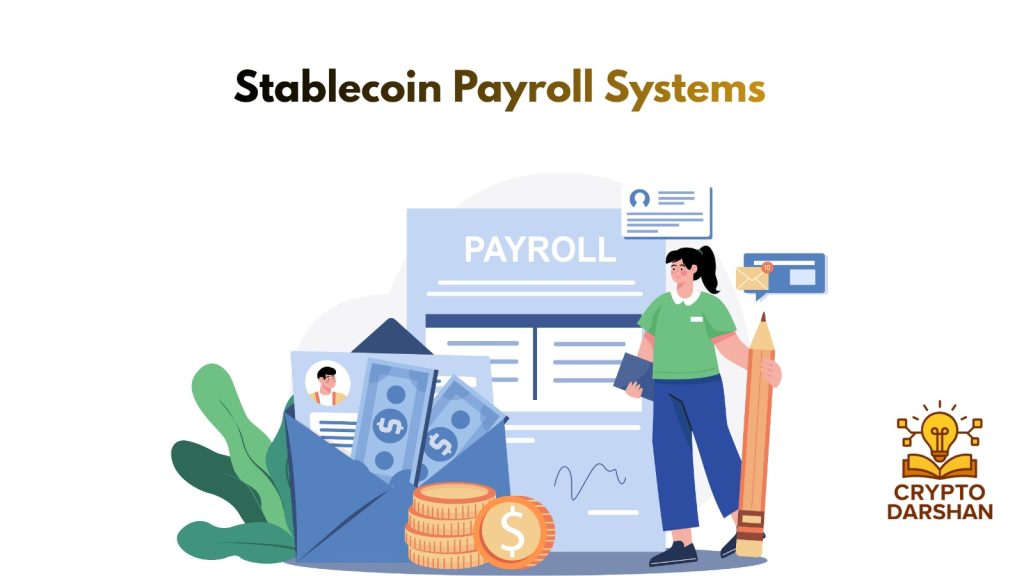
Businesses with international teams are increasingly using stablecoins for payroll. Paying employees in stablecoins eliminates the delays and high fees associated with traditional cross-border transfers.
Platforms enabling stablecoin payroll include:
- Bitwage
- Request Finance
- Deel (crypto payroll options)
- OnJuno
Employees can receive payments in stablecoins like USDC or DAI and convert them to local currency if desired.
Benefits:
- Faster payments.
- Lower transaction costs.
- Transparency and traceability.
Challenges:
- Regulatory uncertainty in some jurisdictions.
- Employee education and wallet setup.
- Tax reporting complexities.
4. Cross-Border Payments and Remittances
Stablecoins are revolutionizing international payments. Businesses can send stablecoins across borders in minutes, bypassing traditional banking intermediaries and reducing costs.
For example, a company in the United States can pay a supplier in Asia using USDC, which the supplier can then convert to local currency or use directly. This process is faster and cheaper than using SWIFT or wire transfers.
Advantages:
- Near-instant settlement.
- Lower fees compared to banks.
- 24/7 availability.
Challenges:
- Exchange rate conversion for local currencies.
- Compliance with anti-money laundering (AML) regulations.
- Limited acceptance in some regions.
5. Treasury and Cash Management
Some businesses use stablecoins as part of their treasury management strategy. Holding stablecoins allows companies to diversify their cash reserves, access decentralized finance (DeFi) yields, and move funds efficiently between accounts or platforms.
Use cases include:
- Parking idle cash in stablecoins for liquidity.
- Earning yield through DeFi protocols.
- Facilitating quick transfers between subsidiaries.
Advantages:
- Enhanced liquidity management.
- Access to DeFi opportunities.
- Reduced reliance on traditional banks.
Challenges:
- Smart contract risks in DeFi.
- Regulatory and accounting complexities.
- Custody and security considerations.
Industries Leading Stablecoin Adoption

1. E-Commerce
Online retailers are among the earliest adopters of stablecoin payments. Accepting stablecoins allows them to reach global customers who prefer crypto payments and avoid high credit card fees.
Platforms like Shopify and WooCommerce now support stablecoin payment integrations, enabling merchants to accept USDC, USDT, and other stablecoins seamlessly.
When choosing which stablecoin to accept, businesses often compare USDT vs USDC. Factors such as transparency, regulatory compliance, and liquidity play a key role in determining which stablecoin best fits a company’s operational and compliance needs.
2. Freelancing and Remote Work
Freelancers and remote workers often face challenges with international payments, including delays and high fees. Stablecoins offer a fast, low-cost alternative. Platforms like Upwork and Freelancer.com are exploring crypto payment options, while independent professionals increasingly request stablecoin payments directly.
3. Fintech and Payment Companies
Fintech firms are integrating stablecoins into their services to enhance cross-border payment efficiency. Companies like Circle, Revolut, and PayPal are leading this trend, offering stablecoin-based payment and transfer options.
4. Real Estate

Real estate companies are beginning to accept stablecoins for property transactions. The transparency and speed of blockchain transactions make stablecoins an attractive option for high-value deals, especially in international markets.
5. Gaming and Digital Entertainment
The gaming industry has embraced stablecoins for in-game purchases, rewards, and NFT marketplaces. Stablecoins provide a stable medium of exchange within digital ecosystems, avoiding the volatility of native gaming tokens.
6. Travel and Hospitality
Travel agencies and hotels are starting to accept stablecoins for bookings and payments. This allows travelers to pay globally without worrying about currency conversion fees or exchange rate fluctuations.
Benefits of Accepting Stablecoins

1. Faster Transactions
Stablecoin transactions settle within minutes, compared to days for traditional bank transfers. This speed improves cash flow and operational efficiency.
2. Lower Transaction Costs
By bypassing intermediaries like banks and card networks, businesses can significantly reduce transaction fees, especially for cross-border payments.
3. Global Accessibility
Stablecoins operate on decentralized networks, enabling businesses to transact with partners and customers anywhere in the world without relying on local banking systems.
The growing use of stablecoins by merchants is closely tied to global crypto adoption. From freelancers to international companies, stablecoins make cross-border payments faster, cheaper, and more accessible, especially in regions where traditional banking systems are slow or unreliable.
4. Transparency and Security
Blockchain technology ensures that all transactions are recorded on a public ledger, enhancing transparency and reducing fraud risks.
5. Integration with DeFi and Web3

Accepting stablecoins opens the door to decentralized finance opportunities, such as yield farming, lending, and staking, as well as integration with Web3 applications.
6. Hedge Against Inflation
In regions with unstable local currencies, stablecoins pegged to the US dollar or euro provide a more reliable store of value for businesses.
Challenges and Risks

1. Regulatory Uncertainty
Stablecoin regulation varies widely across jurisdictions. Some countries embrace them, while others impose restrictions or lack clear guidelines. Businesses must stay informed about local laws to ensure compliance.
2. Counterparty and Reserve Risks
Fiat-backed stablecoins depend on the issuer’s ability to maintain adequate reserves. If the issuer fails to uphold transparency or solvency, the stablecoin’s value could be compromised.
3. Technical Complexity
Integrating stablecoin payments requires some technical understanding of blockchain wallets, smart contracts, and security practices.
4. Accounting and Taxation
Stablecoin transactions may complicate accounting and tax reporting, especially when converting between crypto and fiat currencies.
5. Market Perception
Despite growing acceptance, some customers and partners may still view cryptocurrencies with skepticism, affecting adoption rates.
Regulatory Landscape
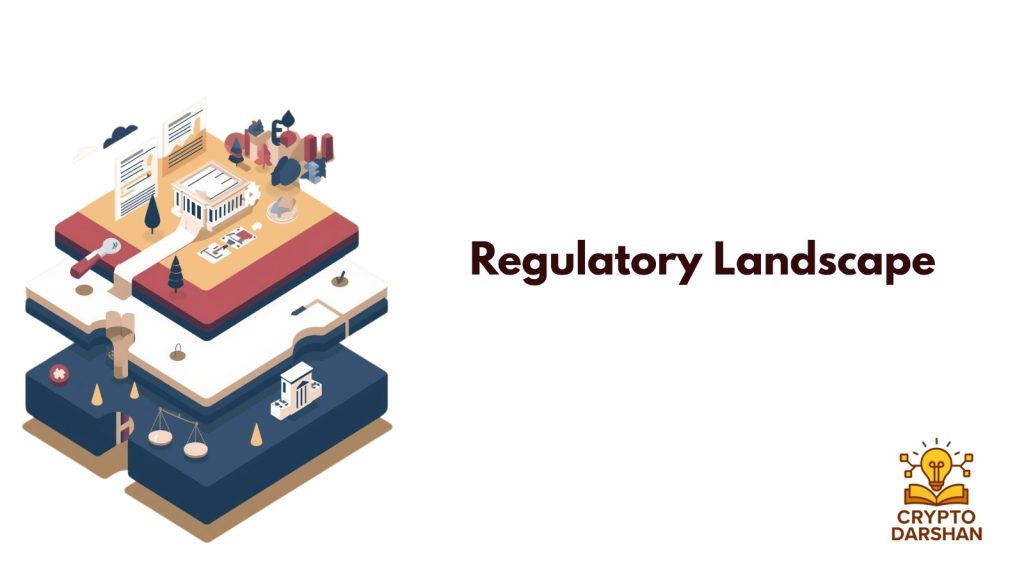
Governments and financial regulators are increasingly focusing on stablecoins due to their growing influence in global finance. Key developments include:
- United States: The U.S. Treasury and Federal Reserve are working on stablecoin regulations emphasizing transparency, reserve audits, and consumer protection.
- European Union: The Markets in Crypto-Assets (MiCA) framework provides clear guidelines for stablecoin issuance and operation.
- Asia: Countries like Singapore and Japan have introduced licensing regimes for stablecoin issuers, promoting responsible innovation.
- Developing Markets: Nations with unstable currencies, such as Argentina and Nigeria, are witnessing organic stablecoin adoption despite regulatory ambiguity.
Clearer regulations are expected to accelerate business adoption by providing legal certainty and consumer confidence.
The Role of Technology and Infrastructure

Blockchain Networks
Stablecoins operate on various blockchain networks, including Ethereum, Binance Smart Chain, Solana, Polygon, and Tron. Each network offers different transaction speeds, fees, and scalability features.
Layer-2 Solutions
Layer-2 technologies like Arbitrum, Optimism, and Polygon enhance scalability and reduce transaction costs, making stablecoin payments more practical for everyday business use.
Custody Solutions
Businesses handling large volumes of stablecoins often use institutional-grade custody solutions such as Fireblocks, Anchorage, or BitGo to ensure asset security.
Integration Tools
APIs and SDKs from payment processors and blockchain platforms simplify stablecoin integration into existing business systems, enabling seamless payment experiences.
Case Studies

1. Shopify Merchants
Thousands of Shopify merchants now accept stablecoins through integrations with Coinbase Commerce and BitPay. This allows global customers to pay in USDC or USDT, while merchants receive fiat equivalents instantly.
2. PayPal’s PYUSD
PayPal’s launch of PYUSD, a USD-backed stablecoin, marked a major milestone in mainstream adoption. Businesses using PayPal can now send, receive, and hold stablecoins within the platform, bridging traditional and digital finance.
3. Circle and Visa Partnership
Circle, the issuer of USDC, partnered with Visa to enable stablecoin settlements for cross-border payments. This collaboration demonstrates how traditional financial institutions are embracing blockchain-based solutions.
4. Remote Work Platforms
Companies like Bitwage and Request Finance have enabled thousands of remote workers to receive salaries in stablecoins, reducing payment delays and costs.
Best Practices for Businesses Accepting Stablecoins.

As stablecoins become more common in business transactions, companies need to adopt them responsibly and strategically. While stablecoins offer speed, transparency, and cost efficiency, they also come with technical, regulatory, and operational considerations. Below is a detailed explanation of the six key best practices businesses should follow when accepting stablecoins.
1. Choose Reputable Stablecoins
Not all stablecoins are created equal. The credibility and stability of a stablecoin depend on its issuer, reserve backing, and transparency. Businesses should carefully evaluate which stablecoins to accept based on trustworthiness and liquidity.
Key factors to consider:
- Reserve Transparency: Reputable stablecoins like USDC and USDT publish regular audits or attestations showing that each token is backed by real assets such as cash or short-term U.S. Treasury bills.
- Regulatory Compliance: Choose stablecoins issued by companies that comply with financial regulations and operate under recognized jurisdictions.
- Liquidity and Market Acceptance: Opt for stablecoins that are widely traded and accepted across exchanges and payment platforms. This ensures easy conversion to fiat or other digital assets when needed.
- Blockchain Network: Consider the blockchain on which the stablecoin operates. Networks like Ethereum, Polygon, and Solana differ in transaction speed and fees.
2. Ensure Regulatory Compliance
Stablecoin transactions are subject to financial regulations that vary by country. Businesses must understand and comply with these laws to avoid legal complications.
Key compliance areas:
- Know Your Customer (KYC) and Anti-Money Laundering (AML): Businesses should verify the identity of customers and partners to prevent illicit transactions.
- Tax Reporting: Stablecoin payments may be treated as income or capital gains, depending on local tax laws. Accurate reporting is essential.
- Licensing Requirements: Some jurisdictions require businesses dealing with digital assets to obtain specific licenses or register with financial authorities.
- Record Keeping: Maintain detailed transaction records for audits and regulatory reviews.
3. Use Secure Wallets and Custody Solutions
Security is one of the most critical aspects of handling stablecoins. Since blockchain transactions are irreversible, any loss due to hacking or mismanagement can be permanent. Businesses must implement strong security measures to protect their digital assets.
Best security practices:
- Multi-Signature Wallets: Require multiple approvals for transactions to prevent unauthorized access.
- Cold Storage: Store large amounts of stablecoins offline in hardware wallets or institutional-grade custody solutions.
- Private Key Management: Keep private keys secure and never share them with unauthorized personnel.
- Insurance Coverage: Some custodians offer insurance against theft or loss, adding an extra layer of protection.
- Regular Security Audits: Conduct periodic reviews of wallet infrastructure and access controls.
4. Integrate Reliable Payment Processors
For businesses that don’t want to manage crypto wallets directly, using a trusted payment processor simplifies the process of accepting stablecoins. These platforms handle the technical aspects of transactions and can automatically convert stablecoins into fiat currency.
Benefits of using payment processors:
- Ease of Integration: Many processors offer plugins for e-commerce platforms like Shopify, WooCommerce, and Magento.
- Automatic Conversion: Businesses can receive payments in stablecoins but settle in fiat, reducing exposure to crypto risks.
- Compliance Support: Payment processors often handle KYC and AML requirements on behalf of merchants.
- Customer Convenience: Customers can pay using their preferred stablecoin, while businesses receive funds in their chosen currency.
Popular payment processors:
- BitPay
- Coinbase Commerce
- NOWPayments
- Crypto.com Pay
5. Educate Staff and Customers
Adopting stablecoins requires a basic understanding of how digital assets work. Both employees and customers should be informed about how stablecoin payments function, their benefits, and how to use them safely.
For staff:
- Train finance and accounting teams on how to record and reconcile stablecoin transactions.
- Educate customer service teams to handle inquiries about crypto payments.
- Provide security training to prevent phishing and wallet mismanagement.
For customers:
- Offer clear instructions on how to make stablecoin payments.
- Communicate accepted stablecoins and supported wallets.
- Highlight the benefits, such as faster payments and lower fees.
6. Maintain Transparent Accounting
Stablecoin transactions must be accurately recorded in financial statements. Since stablecoins are digital representations of fiat value, proper accounting ensures compliance, transparency, and financial accuracy.
Accounting best practices:
- Track Every Transaction: Record the date, amount, and purpose of each stablecoin transaction.
- Valuation: Use consistent exchange rates when converting stablecoin values to fiat for reporting.
- Separate Wallets: Maintain different wallets for operational funds, customer payments, and reserves to simplify bookkeeping.
- Audit Trails: Keep detailed transaction histories for audits and tax filings.
- Use Accounting Software: Tools like QuickBooks, Xero, or crypto-specific platforms such as Cryptio and Bitwave can automate reconciliation.
The Future of Stablecoin Adoption in Business

Integration with Central Bank Digital Currencies (CBDCs)
As central banks develop their own digital currencies, stablecoins may coexist or integrate with CBDCs, creating a hybrid digital payment ecosystem.
Expansion into Emerging Markets
Stablecoins are likely to see rapid adoption in regions with unstable currencies or limited banking infrastructure, offering businesses and consumers a reliable alternative.
Enhanced Regulatory Clarity
As governments establish clearer frameworks, more businesses will feel confident adopting stablecoins for payments and treasury management.
Growth of Tokenized Assets
Stablecoins will play a key role in the tokenization of real-world assets such as real estate, stocks, and commodities, enabling seamless digital transactions.
Integration with AI and Automation
AI-driven financial systems could use stablecoins for automated payments, smart contracts, and supply chain settlements, further streamlining business operations.
Businesses looking to accept stablecoin payments often start by choosing reliable assets. Our guide on the top stablecoins to buy in 2026 breaks down the most trusted options based on liquidity, regulatory compliance, and real-world usage, helping businesses select stablecoins that align with their operational needs.
FAQs

What does it mean when a business accepts stablecoins?
When a business accepts stablecoins, it allows customers to pay using cryptocurrencies that are pegged to stable assets like the US dollar. This helps businesses avoid crypto price volatility while still benefiting from fast, digital payments.
Why are businesses choosing stablecoins over traditional payment methods?
Businesses prefer stablecoins because they offer faster settlements, lower transaction fees, and no chargebacks. Stablecoins also make cross-border payments easier compared to traditional banking systems.
Which stablecoins are most commonly accepted by businesses?
The most commonly accepted stablecoins include USDT (Tether), USDC (USD Coin), and DAI. These stablecoins are widely supported by exchanges, wallets, and payment processors, making them convenient for businesses
How do businesses accept stablecoin payments?
Businesses typically accept stablecoins through crypto payment gateways, QR-code wallets, e-commerce plugins, or direct wallet-to-wallet transfers. Some companies also convert stablecoins instantly into local currency.
Are stablecoin payments legal for businesses?
In most countries, accepting stablecoins is legal, but regulations vary by region. Businesses should always follow local crypto regulations, tax laws, and compliance requirements before accepting stablecoin payments.
Do businesses face risks when accepting stablecoins?
Yes, businesses may face risks such as regulatory uncertainty, platform dependency, and smart-contract risks. However, using reputable stablecoins and trusted payment providers can significantly reduce these risks.
Can small businesses and freelancers accept stablecoins?
Absolutely. Many freelancers and small businesses use stablecoins for international payments because they are easy to receive, low-cost, and accessible without traditional banking barriers.
Will stablecoins replace traditional business payments?
Stablecoins are unlikely to fully replace traditional payment systems soon, but they are becoming a strong alternative. Many businesses now use stablecoins alongside credit cards and bank transfers.
What is the future of stablecoin adoption in businesses?
As regulations become clearer and payment infrastructure improves, stablecoin adoption is expected to grow. More businesses are likely to accept stablecoins as a standard digital payment option.
Conclusion
In the digital economy, stablecoins are revolutionizing how companies conduct business. They provide a powerful tool for international trade by combining the efficiency of blockchain technology with the stability of fiat currencies. Stablecoins are being adopted by businesses for payments, payroll, remittances, and treasury management, ranging from small online retailers to large organizations.
While challenges remain particularly around regulation, security, and accounting, the momentum behind stablecoin adoption is undeniable. As infrastructure matures and regulatory clarity improves, stablecoins are poised to become a cornerstone of modern business finance, bridging the gap between traditional banking and the decentralized future.
In the coming years, stablecoins will likely evolve from a niche payment option into a standard financial instrument, reshaping how value moves across the global economy.