

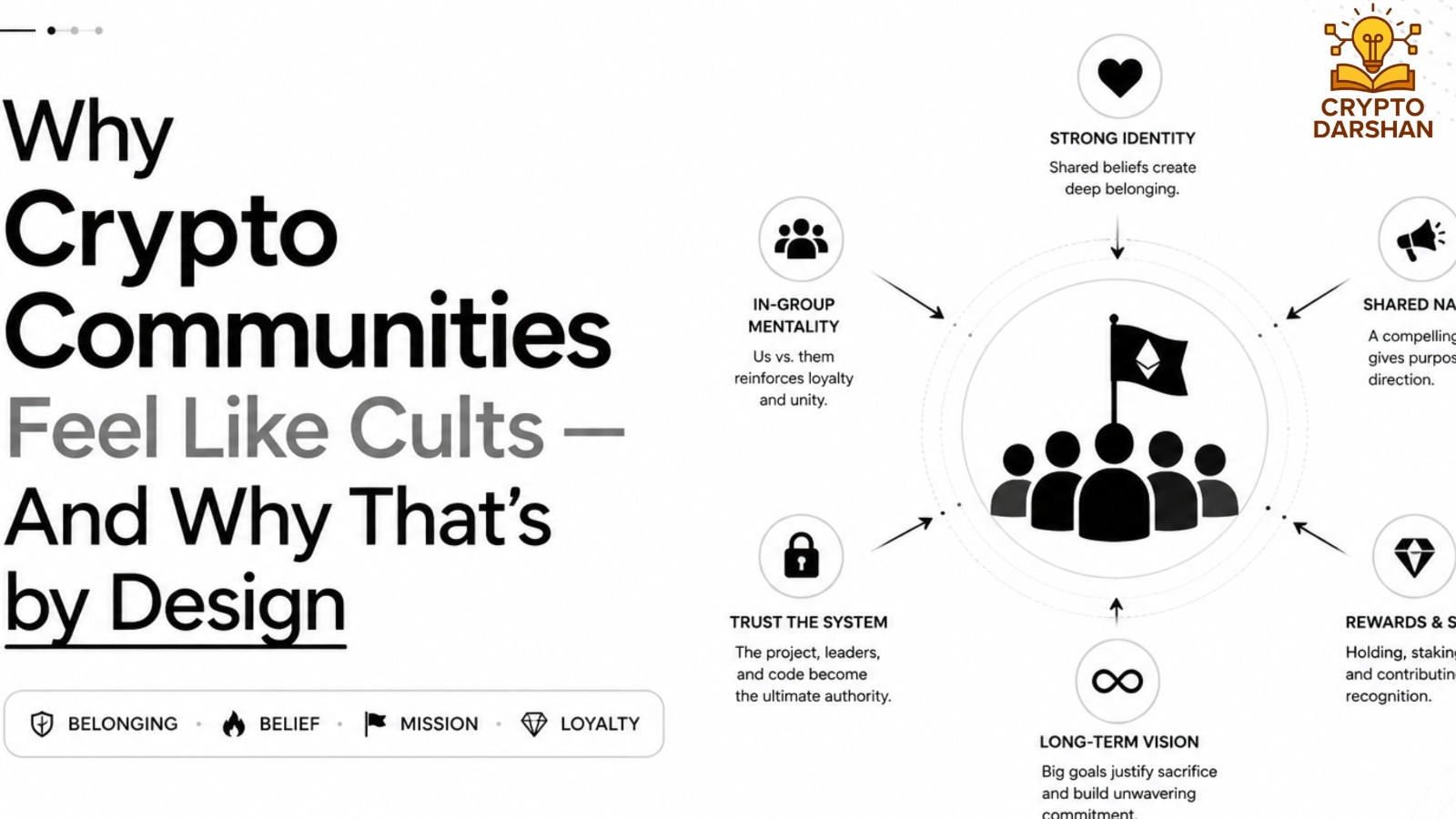
In the world of digital finance, few phenomena are as fascinating as Crypto Communities. These groups of investors, developers, and enthusiasts have built entire ecosystems around digital currencies and blockchain projects. To outsiders, they often appear fanatical, complete with their own jargon, rituals, and unwavering devotion to specific coins or ideologies. Some even compare them to cults. But this resemblance is not accidental. The structure, psychology, and culture of Crypto Communities are intentionally designed to foster loyalty, unity, and belief in a shared mission.
Understanding why Crypto Communities feel like cults requires exploring their origins, social dynamics, and the psychological mechanisms that drive them. This article examines how these communities form, why they behave the way they do, and how their cult-like nature has become both their greatest strength and their biggest vulnerability.
The Birth of Crypto Communities
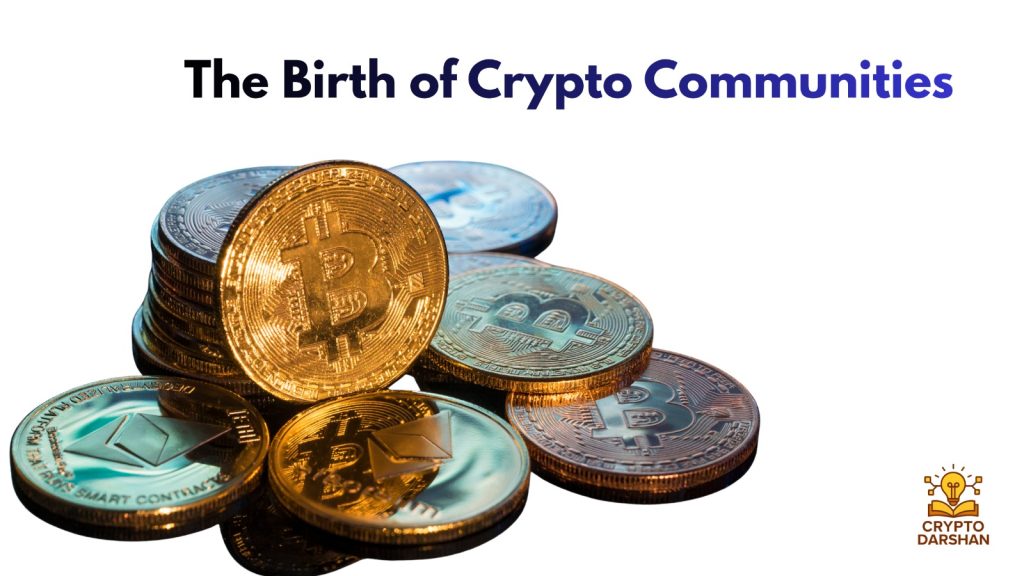
Crypto communities are dynamic, decentralised groups formed around cryptocurrencies, blockchain technologies, and decentralised finance. These communities are essential to the growth and development of the crypto ecosystem, fostering innovation, collaboration, and adoption.
The Early Days of Bitcoin
The first Crypto Communities emerged around Bitcoin in the late 2000s. Bitcoin’s anonymous creator, Satoshi Nakamoto, introduced a revolutionary idea: a decentralized currency that operated without banks or governments. Early adopters were not just investors, they were believers in a new financial order. They gathered in online forums like Bitcointalk, discussing mining, cryptography, and the philosophy of decentralization.
These early discussions laid the foundation for what would become the blueprint of all Crypto Communities: a shared belief in technology as a tool for freedom, a distrust of centralized power, and a sense of belonging among those who “got it” before the rest of the world.
The Expansion Beyond Bitcoin
As new cryptocurrencies like Ethereum, Litecoin, and Dogecoin emerged, so did new Crypto Communities. Each project attracted followers who believed their coin was the future. Ethereum’s community rallied around the idea of programmable money and smart contracts. Dogecoin’s community embraced humor and inclusivity. Ripple’s community focused on banking partnerships and real-world adoption. The tribal mentality in crypto can often be traced back to the original cypherpunk movement that inspired Bitcoin
Despite their differences, all Crypto Communities shared a common trait: they were built around belief systems, not just technology. This belief-driven structure is what gives them their cult-like energy.
The Psychology Behind Crypto Communities
The Need for Belonging
Humans are social creatures who crave belonging. In a world where traditional institutions like religion, politics, and even workplaces are losing their sense of community, Crypto Communities fill that void. They offer identity, purpose, and connection. Members often describe their involvement as life-changing, not just financially but emotionally.
Joining a Crypto Community means becoming part of something bigger than oneself. It’s a digital tribe where members share memes, celebrate milestones, and defend their project against critics. This sense of belonging is powerful—it transforms casual investors into passionate advocates.
The Role of Shared Belief
Every Crypto Community is built on a shared belief system. For Bitcoiners, it’s the idea of “sound money” and financial sovereignty. For Ethereum supporters, it’s the vision of a decentralized internet. These beliefs act as guiding principles, shaping how members think, act, and interact.
Shared belief creates unity, but it also creates boundaries. Those who question the core ideology are often labeled as outsiders or “FUD spreaders” (Fear, Uncertainty, and Doubt). This dynamic mirrors the behavior of cults, where dissent is discouraged to preserve group cohesion.
The Power of Identity
In Crypto Communities, identity is everything. Members proudly call themselves “Bitcoin Maxis,” “ETH Heads,” or “Shiba Army.” These labels are more than nicknames, they are badges of honor that signal loyalty and belonging. The stronger the identity, the more committed the member becomes.
This identity-driven culture explains why Crypto Communities can seem irrational to outsiders. When a coin’s price drops, members don’t abandon it, they double down, convinced that their faith will be rewarded in the long run. This unwavering belief is what keeps communities alive through market crashes and scandals.
The Cult-Like Traits of Crypto Communities
1. Charismatic Leaders
Many Crypto Communities revolve around charismatic figures who act as visionaries or prophets. Bitcoin had Satoshi Nakamoto, Ethereum has Vitalik Buterin, and other projects have founders who command immense influence. These leaders often embody the values of their communities, guiding them through uncertainty and inspiring loyalty.
Like cult leaders, they are seen as infallible by their followers. Criticizing them can lead to backlash or ostracism. This dynamic reinforces the idea that the community’s success depends on unwavering faith in its leadership.
2. Rituals and Symbols
Every Crypto Community has its own rituals and symbols. Bitcoiners celebrate “Bitcoin Pizza Day,” marking the first real-world transaction using Bitcoin. Ethereum fans commemorate “The Merge,” a major network upgrade. Dogecoin enthusiasts flood social media with memes of the Shiba Inu mascot.
These rituals strengthen group identity and create emotional bonds among members. They also serve as initiation rites for newcomers, helping them feel part of the tribe.
3. Us vs. Them Mentality
Cults often thrive on the idea of an external enemy. Crypto Communities are no different. They define themselves in opposition to traditional finance, governments, or rival projects. Bitcoiners criticize fiat currency and central banks. Ethereum supporters mock Bitcoin’s lack of flexibility. Meme coin communities ridicule “serious” investors.
This “us vs. them” mentality fosters unity but also breeds hostility. It encourages members to see outsiders as ignorant or corrupt, reinforcing the belief that their community holds the truth.
4. Prophecies and Promises
Cults often promise salvation or enlightenment. Similarly, Crypto Communities promise financial freedom, technological revolution, or societal transformation. Members believe that their chosen project will change the world—and make them rich in the process.
These promises keep members engaged, even when reality falls short. The dream of a decentralized future becomes a form of faith, sustaining the community through bear markets and setbacks.
5. Emotional Manipulation

The emotional highs and lows of crypto investing amplify the cult-like atmosphere. When prices soar, members celebrate together, reinforcing their belief in the project. When prices crash, they console each other, blaming external forces like “FUD” or “market manipulation.”
This emotional rollercoaster creates dependency. Members rely on the community for validation and support, deepening their attachment to the group.
6. Echo Chambers and Information Control
One of the defining features of Crypto Communities is the creation of echo chambers—closed environments where only supportive or reinforcing information circulates. Within these spaces, members share positive news, success stories, and optimistic predictions about their chosen cryptocurrency while dismissing or attacking opposing viewpoints. This selective exposure strengthens group belief and shields members from external criticism.
Information control is not always intentional, but it emerges naturally from the community’s desire to protect its narrative. When someone questions the project’s direction or raises concerns, they may be labeled as spreading “FUD” (Fear, Uncertainty, and Doubt). This discourages open discussion and critical thinking, ensuring that only favorable perspectives dominate.
7. Emotional Dependency and Group Validation
Another powerful trait of Crypto Communities is the emotional dependency that members develop on the group. The volatile nature of cryptocurrency markets creates constant emotional highs and lows. When prices rise, members celebrate together, sharing memes, success stories, and declarations of victory. When prices fall, they turn to the community for reassurance, finding comfort in shared optimism and collective explanations for the downturn.
This emotional interdependence fosters a deep sense of belonging. Members rely on the community not just for financial advice but for emotional stability and validation.
The Design Behind the Cult-Like Nature

The cult-like nature of Crypto Communities is not accidental—it is the result of deliberate design choices that shape how members interact, invest, and believe in their projects. These communities are structured to encourage loyalty, participation, and emotional investment. The following five key points explain how this design works and why it is so effective.
The Role of Tokenomics
The structure of most cryptocurrencies is designed to encourage loyalty. Tokenomics, the economic model behind a coin, often rewards long-term holders and penalizes sellers. Mechanisms like staking, burning, and limited supply create scarcity and incentivize commitment.
This design ensures that members of Crypto Communities have a financial stake in the project’s success. The more invested they are, the more likely they are to promote and defend it. In essence, tokenomics turns belief into economic behavior.
The Power of Decentralized Governance
Decentralized governance gives members a sense of ownership. In many Crypto Communities, token holders can vote on proposals, influence development, and shape the project’s future. This participatory model fosters engagement and loyalty, making members feel like stakeholders rather than spectators.
However, this structure also reinforces groupthink. When decisions are made collectively, dissenting voices can be drowned out by the majority. The result is a self-reinforcing echo chamber where only popular opinions survive.
The Influence of Social Media

Social media platforms like Twitter, Reddit, and Discord are the lifeblood of Crypto Communities. They provide spaces for discussion, coordination, and propaganda. Memes, hashtags, and viral campaigns spread messages faster than traditional marketing ever could.
These platforms amplify the cult-like dynamics by rewarding emotional and extreme content. Posts that express strong belief or attack outsiders get more engagement, reinforcing the community’s ideology. Over time, this creates a feedback loop where belief becomes performance.
Narrative Building and Storytelling
Every successful Crypto Community is built around a compelling narrative. Whether it’s Bitcoin’s story of financial freedom, Ethereum’s vision of a decentralized internet, or Dogecoin’s tale of humor and inclusivity, these narratives give members a sense of purpose. They transform abstract technology into a movement with emotional meaning.
Storytelling is a deliberate design choice that keeps members engaged. It provides heroes (founders), villains (banks, governments, or rival coins), and a shared mission.
Gamification and Emotional Engagement
Many Crypto Communities use gamification to keep members active and emotionally invested. Features like leaderboards, badges, referral rewards, and community challenges create a sense of progress and achievement. Members are encouraged to participate in events, share content, or recruit others, earning recognition within the group.
This gamified structure taps into basic human psychology—the desire for status, belonging, and accomplishment. It transforms community participation into an addictive experience, where engagement feels rewarding and meaningful.
The Benefits of Cult-Like Communities

Building Strong Networks
Despite their intensity, Crypto Communities have undeniable strengths. Their passion and unity create powerful networks that drive innovation and adoption. Developers collaborate on open-source projects, investors fund new ventures, and influencers spread awareness.
This collective energy has helped cryptocurrencies achieve mainstream recognition. Without the dedication of these communities, blockchain technology might have remained a niche experiment.
Driving Innovation
The competitive nature of Crypto Communities fuels innovation. Each community strives to outdo the others, leading to rapid technological progress. Ethereum’s smart contracts, Solana’s speed, and Cardano’s research-driven approach all emerged from communities determined to prove their superiority.
This rivalry pushes the entire industry forward, even if it sometimes leads to tribalism and conflict.
Creating Economic Opportunities
Crypto Communities have created new forms of wealth and employment. From developers and traders to artists and educators, countless people have built careers within these ecosystems. The sense of shared purpose motivates members to contribute their skills and resources, driving economic growth.
The Dark Side of Crypto Communities

Toxic Tribalism
The same passion that unites Crypto Communities can also divide them. Tribalism leads to hostility, misinformation, and exclusion. Members may attack critics, spread false narratives, or refuse to acknowledge flaws in their projects. This behavior damages credibility and discourages constructive debate.
Scams and Exploitation
The cult-like devotion of Crypto Communities makes them vulnerable to manipulation. Scammers exploit trust by launching fraudulent projects or “rug pulls,” where developers disappear with investors’ funds. Because members are conditioned to trust insiders, they often ignore warning signs until it’s too late.
Emotional Burnout
Constant engagement, price volatility, and ideological battles can lead to emotional exhaustion. Many members of Crypto Communities experience burnout, anxiety, or financial stress. The pressure to stay loyal and optimistic, even during downturns, can take a psychological toll.
How to Engage with Crypto Communities Responsibly

Stay Critical
Healthy skepticism is essential when participating in Crypto Communities. Question narratives, verify information, and avoid blind faith. Remember that every project has risks, no matter how passionate its supporters are.
Diversify Involvement
Avoid putting all energy or money into one community. Explore multiple projects to gain broader perspectives. This reduces emotional attachment and helps maintain objectivity.
Focus on Value, Not Hype
Evaluate projects based on their technology, use cases, and long-term potential—not just community enthusiasm. Genuine innovation will outlast hype cycles.
Prioritize Mental Health
Engaging with Crypto Communities can be intense. Take breaks, set boundaries, and avoid constant exposure to market fluctuations. A balanced approach ensures sustainable participation.
The Future of Crypto Communities

From Cults to Movements
As the crypto industry matures, Crypto Communities are evolving from cult-like groups into organized movements. They are becoming more inclusive, transparent, and focused on real-world impact. Projects are learning to balance passion with professionalism, creating healthier ecosystems.
Institutional Integration
With growing institutional interest, Crypto Communities are adapting to new norms. Collaboration between decentralized communities and traditional organizations could lead to hybrid models that combine innovation with stability.
The Rise of Purpose-Driven Communities
Future Crypto Communities may focus less on speculation and more on solving global challenges. Decentralized finance, climate initiatives, and digital identity projects are already shifting the narrative from profit to purpose. Some blockchain ecosystems survive major downturns mainly because of their loyal communities and developers.
FAQ : Why Crypto Communities Feel Like Cults.

1. Why do crypto communities often feel like cults?
Crypto communities can resemble cults because they promote strong shared beliefs, intense loyalty, insider language, and emotional attachment to projects or leaders. Members often unite around a vision of financial freedom, decentralization, or technological revolution.
2. Is cult-like behavior common in crypto?
Yes. Many crypto projects intentionally build highly passionate communities to increase engagement, hold investor attention during market downturns, and create viral online movements.
3. Why do crypto investors become emotionally attached to projects?
People often invest both money and identity into crypto communities. When financial success and personal beliefs become connected, criticism of the project can feel personal to supporters.
4. What role does social media play in crypto tribalism?
Platforms like X (Twitter), Discord, Telegram, and Reddit amplify tribal behavior by rewarding viral opinions, memes, and community loyalty. Influencers and project leaders can quickly shape narratives across these platforms.
5. Are Bitcoin and Ethereum communities different from meme coin communities?
Generally, yes. Communities around Bitcoin and Ethereum often focus on technology, decentralization, and long-term adoption, while meme coin communities are usually more hype-driven and entertainment-focused.
6. Why do crypto communities attack critics?
Many holders fear negative publicity could hurt token prices or community growth. This sometimes leads to aggressive online defense of projects against journalists, analysts, or rival communities.
7. Can strong crypto communities actually help projects succeed?
Absolutely. Strong communities help projects grow through marketing, development contributions, governance participation, and user adoption. Some of the biggest crypto ecosystems survived largely because of loyal supporters.
8. What is “maximalism” in crypto?
Maximalism is the belief that one cryptocurrency is superior to all others. Bitcoin maximalists, for example, often argue that Bitcoin is the only truly decentralized digital asset.
9. Why do crypto projects encourage “diamond hands” culture?
Projects promote long-term holding to reduce panic selling and stabilize token prices. Slogans like “HODL” and “diamond hands” strengthen community identity and investor loyalty.
Conclusion: The Double-Edged Sword of Belief
Crypto Communities feel like cults because they are built on belief, identity, and shared purpose. This design has fueled their success, turning abstract technologies into global movements. Yet, the same forces that unite them can also blind them to reality.
The challenge for the future is to preserve the passion and unity of Crypto Communities while fostering critical thinking and inclusivity. When belief is balanced with reason, these communities can transcend their cult-like origins and become catalysts for meaningful change in the digital age.