
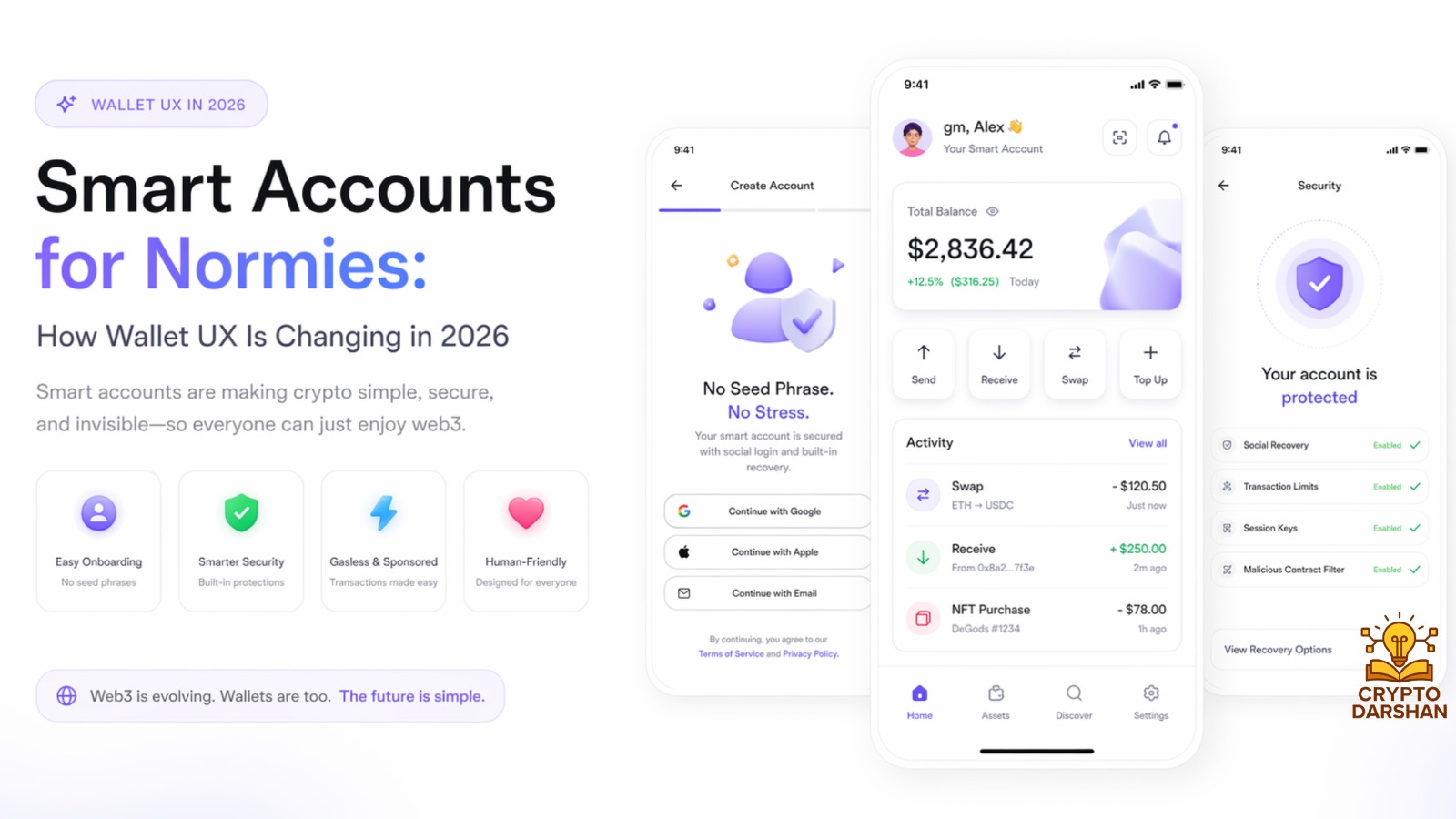
The world of digital wallets is undergoing a massive transformation in 2026. What began as a niche tool for crypto enthusiasts has evolved into a mainstream financial interface used by millions. The rise of smart accounts—wallets powered by account abstraction, automation, and user-friendly design, is redefining how people interact with digital assets. This shift is not just technical; it’s cultural. Wallets are no longer intimidating cryptographic vaults but intuitive, secure, and personalized financial hubs accessible to everyone.
This article explores how wallet UX (user experience) is changing in 2026, why smart accounts are at the center of this evolution, and what it means for everyday users, developers, and the broader digital economy. It also examines the technologies driving this change, the challenges that remain, and the future of wallet design in a world where blockchain and traditional finance are merging seamlessly.
1. The Evolution of Wallets: From Keys to Smart Accounts

1.1 The Early Days: Private Keys and Complexity
In the early days of blockchain, wallets were designed for developers and crypto-native users. Managing a wallet meant handling private keys, seed phrases, and complex interfaces. Losing a key meant losing access to funds forever. This model prioritized decentralization and security but sacrificed usability. For most people, it was too technical to be practical.
1.2 The Rise of Custodial Wallets
To make crypto more accessible, custodial wallets emerged. These wallets, often provided by exchanges or fintech apps, managed private keys on behalf of users. While this improved usability, it introduced trust issues. Users had to rely on third parties to safeguard their assets, which contradicted the decentralized ethos of blockchain.
1.3 The Shift Toward Smart Accounts
By 2026, the industry has found a middle ground: smart accounts. These are wallets that combine the security of self-custody with the convenience of modern fintech apps. Powered by account abstraction, smart accounts allow users to interact with blockchain applications without worrying about private keys, gas fees, or complex signing processes. They bring the simplicity of Web2 apps to the decentralized world of Web3.
2. What Are Smart Accounts?
2.1 Definition and Core Concept
A smart account is a blockchain wallet that uses smart contract logic to manage user interactions. Instead of relying solely on externally owned accounts (EOAs) controlled by private keys, smart accounts are programmable. Smart accounts are contracts that manage the composition of authorization intents coming from multiple sources, such as policies, signing keys from different cryptographic curves, or other Soroban accounts. They can define custom rules for authentication, transaction approval, and recovery.
2.2 Key Features
- Programmable Logic: Users can set spending limits, automate payments, or require multiple approvals for large transactions.
- Social Recovery: Instead of seed phrases, users can recover access through trusted contacts or devices.
- Gas Abstraction: Transactions can be paid in any token or even sponsored by apps, removing the need for native blockchain tokens.
- Multi-Device Access: Smart accounts can be accessed from multiple devices securely, similar to cloud-based fintech apps.
- Modular Security: Users can upgrade security modules over time, adding biometric authentication or hardware wallet integration.
To understand the foundation behind smart accounts, read our guide on What Blockchain Layer Are You On? Explaining L0, L1, L2, and L3 in Plain Language.
2.3 Account Abstraction Explained
Account abstraction (AA) is the technical foundation of smart accounts. It separates the logic of transaction validation from the blockchain protocol itself. This means wallets can define their own rules for how transactions are authorized and executed. In Ethereum, this concept was formalized through ERC-4337, which introduced a standardized way to implement smart accounts without changing the base protocol.
3. Why Wallet UX Matters in 2026
Better wallet UX could unlock new payment models, see Blockchains for Micropayments: Can They Finally Make Small Payments Work Online?
3.1 The UX Problem in Crypto
For years, crypto adoption was limited by poor user experience. Wallets were confusing, transactions were slow, and error messages were cryptic. The average person didn’t want to memorize seed phrases or worry about gas fees. As a result, mainstream adoption lagged behind the technology’s potential.
3.2 The UX Revolution
In 2026, wallet UX has become a competitive advantage. Companies are investing heavily in design, accessibility, and education. The goal is to make wallets feel as natural as using a mobile banking app. Smart accounts are central to this shift because they allow developers to abstract away complexity while maintaining decentralization.
3.3 The “Normie” Factor
The term “normie” refers to everyday users who are not crypto experts. For this audience, simplicity and trust are paramount. Smart accounts make it possible for normies to use blockchain applications without even realizing they’re interacting with a blockchain. This invisible UX is the key to mass adoption.
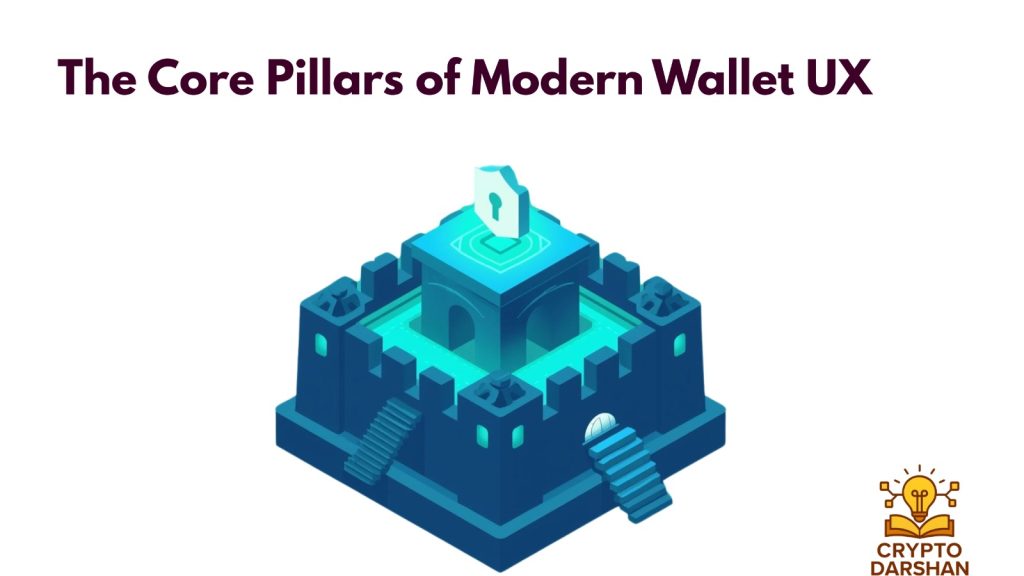
4. The Core Pillars of Modern Wallet UX
4.1 Simplicity
Modern wallets prioritize minimalism. Interfaces are clean, with clear calls to action and contextual guidance. Complex blockchain jargon is replaced with familiar financial terms. For example, instead of “signing a transaction,” users see “approve payment.”
4.2 Security Without Friction
Security remains critical, but it’s now integrated seamlessly. Biometric authentication, device-based approvals, and social recovery replace cumbersome seed phrases. Users can feel safe without being overwhelmed by technical details.
4.3 Personalization
Smart accounts allow for personalized experiences. Wallets can adapt to user behavior, offering tailored dashboards, spending insights, and automated routines. For instance, a user might set up automatic savings in stablecoins or recurring NFT purchases.
4.4 Interoperability
In 2026, wallets are no longer siloed. Cross-chain compatibility is standard, allowing users to manage assets across multiple blockchains from a single interface. Smart accounts handle the complexity behind the scenes, routing transactions efficiently.
4.5 Education and Transparency
Wallets now include built-in educational layers. Tooltips, tutorials, and visual explanations help users understand what’s happening without leaving the app. Transparency builds trust, especially for new users entering the crypto space.
5. The Technology Behind Smart Accounts
5.1 Account Abstraction (ERC-4337 and Beyond)
ERC-4337 introduced the concept of UserOperations, which replaced traditional transactions. These operations are bundled and executed by specialized nodes called bundlers. This architecture enables flexible transaction logic, gas sponsorship, and modular authentication.
5.2 Modular Wallet Architecture
Smart accounts are built using modular components. Each module handles a specific function—authentication, recovery, spending limits, or automation. This modularity allows wallets to evolve over time without requiring users to migrate funds.
5.3 Paymasters and Gas Abstraction
Paymasters are smart contracts that sponsor transaction fees. This allows users to interact with decentralized apps (dApps) without holding native tokens. For example, a gaming app might cover gas fees for players, creating a frictionless onboarding experience.
5.4 Multi-Chain and Layer-2 Integration
Smart accounts are designed to operate across multiple blockchains and layer-2 networks. They can automatically select the most efficient network for a transaction, optimizing for speed and cost.
Speed and reliability also depend on infrastructure. Learn more in Why Data Availability Is the Next Big Battleground in Blockchain
5.5 AI and Automation
Artificial intelligence is increasingly integrated into wallet UX. AI assistants can help users manage portfolios, detect suspicious activity, and suggest optimal transaction times. Automation features allow users to schedule payments or rebalance assets automatically.
6. How Smart Accounts Are Changing User Behavior

6.1 From Ownership to Experience
In the past, wallets were about ownership—holding tokens and NFTs. Now, they’re about experiences. Users engage with apps, games, and communities directly through their wallets. Smart accounts make these interactions seamless and secure.
6.2 The Rise of Embedded Wallets
Many apps now include embedded wallets powered by smart accounts. Users can sign up with an email or social login, and a wallet is created automatically in the background. This removes onboarding friction and expands the user base.
6.3 Financial Automation
Smart accounts enable programmable finance. Users can set up automated savings, recurring payments, or investment strategies. This mirrors the automation seen in traditional fintech but with decentralized control.
6.4 Social and Collaborative Features
Wallets are becoming social platforms. Users can share portfolios, send gifts, or co-manage funds with friends. Smart accounts support multi-signature and group-based permissions, enabling collaborative financial management.
7. The Role of Developers and Designers
7.1 Developer Tooling
The rise of smart accounts has led to a surge in developer tools and SDKs. Frameworks like Safe, Biconomy, and ZeroDev provide plug-and-play solutions for building smart account wallets. This accelerates innovation and standardization.
7.2 UX Design Principles
Designers are focusing on clarity, feedback, and trust. Every interaction is tested for accessibility and comprehension. The goal is to make blockchain interactions feel as natural as sending a text message.
7.3 Collaboration Between Web2 and Web3 Teams
Traditional fintech designers are joining Web3 projects, bringing expertise in usability and compliance. This cross-pollination is producing wallets that meet both regulatory standards and decentralized ideals.
8. Security and Privacy in Smart Accounts
8.1 Multi-Factor Authentication
Smart accounts support multiple authentication methods—biometrics, hardware keys, and social recovery. This layered approach reduces the risk of single points of failure.
8.2 Social Recovery Mechanisms
Instead of seed phrases, users can designate trusted contacts or devices to help recover access. This approach mirrors real-world trust networks and reduces the fear of permanent loss.
8.3 Privacy Enhancements
Zero-knowledge proofs and encrypted metadata are becoming standard. Users can prove ownership or execute transactions without revealing sensitive information.
8.4 Threat Detection and Alerts
AI-driven monitoring systems detect unusual activity and alert users in real time. This proactive security model prevents many common attacks before they cause damage.
9. The Business Impact of Smart Accounts
9.1 Lower Onboarding Costs
By removing technical barriers, smart accounts reduce user drop-off rates. Businesses can onboard customers faster and at lower cost.
9.2 New Revenue Models
Wallet providers can offer premium features such as advanced automation, analytics, or cross-chain swaps. Subscription-based models are emerging alongside traditional transaction fees.
9.3 Partnerships and Ecosystems
Smart accounts enable deeper integration between wallets and dApps. Ecosystems are forming around shared standards, creating network effects that benefit both users and developers.
9.4 Compliance and Regulation
Regulators are beginning to recognize smart accounts as compliant digital identity tools. Built-in KYC modules and audit trails make it easier for businesses to operate within legal frameworks.
10. Challenges and Limitations

10.1 Technical Complexity
While smart accounts simplify UX, they introduce backend complexity. Developers must manage smart contract upgrades, gas sponsorship, and cross-chain logic carefully.
10.2 Security Risks
Programmable wallets expand the attack surface. Bugs in smart contracts or misconfigured modules can lead to vulnerabilities. Rigorous auditing and testing are essential.
10.3 User Education
Even with improved UX, users still need to understand basic concepts like recovery and permissions. Education remains a key component of adoption.
10.4 Interoperability Standards
Different blockchains and wallet providers use varying standards. Achieving seamless interoperability requires continued collaboration across the industry.
11. Case Studies: Leading Wallets in 2026
11.1 Safe (formerly Gnosis Safe)
Safe remains a leader in smart account infrastructure. Its modular architecture allows enterprises and individuals to customize security and automation features.
11.2 Argent
Argent pioneered social recovery and gasless transactions. In 2026, it continues to innovate with AI-driven portfolio management and cross-chain support.
11.3 Coinbase Smart Wallet
Coinbase’s smart wallet bridges Web2 and Web3. Users can log in with familiar credentials while maintaining self-custody through account abstraction.
11.4 MetaMask Snaps
MetaMask’s plugin system, Snaps, allows developers to extend wallet functionality. In 2026, it supports smart account modules, enabling personalized experiences.
11.5 Rainbow and Zerion
These wallets focus on design and usability. Their smart account integrations make DeFi and NFT interactions accessible to mainstream users.
12. The Future of Wallet UX

12.1 Invisible Wallets
The ultimate goal is for wallets to disappear into the background. Users interact with apps, not blockchains. Smart accounts make this possible by handling authentication and payments invisibly.
12.2 Integration with AI Agents
AI agents will manage wallets autonomously, executing transactions based on user-defined rules. This will enable fully automated financial ecosystems.
12.3 Cross-Platform Identity
Smart accounts will serve as universal digital identities, linking financial, social, and professional data securely across platforms.
12.4 The Convergence of Web2 and Web3
By 2026, the line between traditional fintech and decentralized finance is blurring. Smart accounts are the bridge connecting these worlds, offering the best of both.
13. How to Design for Smart Account UX
13.1 Focus on Onboarding
The first interaction defines user trust. Simplify sign-up flows, minimize jargon, and provide clear guidance.
13.2 Prioritize Recovery
Offer multiple recovery options and explain them clearly. Users should feel confident they can regain access if something goes wrong.
13.3 Use Familiar Patterns
Borrow design patterns from mainstream apps. Buttons, icons, and flows should feel intuitive to non-crypto users.
13.4 Provide Feedback
Every action should have immediate visual feedback. Confirmations, progress bars, and success messages build confidence.
13.5 Test with Real Users
Continuous usability testing ensures that wallets meet the needs of diverse audiences, including those new to digital assets.
14. The Broader Implications for Society

14.1 Financial Inclusion
Smart accounts lower barriers to entry, enabling people in developing regions to access global financial systems without intermediaries.
14.2 Digital Identity and Ownership
Wallets are becoming digital passports, representing identity, reputation, and ownership across the internet.
14.3 Decentralized Governance
Smart accounts enable secure voting and participation in decentralized organizations, empowering communities to self-govern.
14.4 The End of Passwords
With biometric and device-based authentication, passwords and seed phrases are becoming obsolete. This marks a major leap in digital security.
15. Predictions for 2026 and Beyond

- Mainstream Adoption: Over 500 million users will interact with smart accounts by the end of 2026.
- Regulatory Clarity: Governments will introduce frameworks recognizing smart accounts as compliant digital wallets.
- AI-Driven Finance: Automated agents will manage portfolios and execute transactions autonomously.
- Cross-Chain Standardization: Universal wallet standards will emerge, enabling seamless interoperability.
- Integration with IoT: Smart devices will have built-in wallets, enabling machine-to-machine payments.
FAQ
1. What is a smart account in simple terms?
A smart account is a blockchain wallet managed by a smart contract rather than a private key. It allows more flexible features like recovery options, spending limits, and automated transactions.
2. How is a smart account different from a regular crypto wallet?
Traditional wallets rely on a single private key, meaning if you lose it, you lose access forever. Smart accounts add programmable features like social recovery, multi-signature approval, and gas fee flexibility, making them safer and easier to use.
3. Why are smart accounts important for beginners (“normies”)?
Smart accounts remove many technical barriers. Users don’t need to worry as much about seed phrases, gas fees, or complex transaction steps, making crypto feel more like using a normal app.
4. What is social recovery, and why does it matter?
Social recovery allows you to regain access to your wallet through trusted contacts or devices instead of a single recovery phrase. This reduces the risk of permanent loss.
5. Do smart accounts eliminate gas fees?
Not exactly, but they improve how gas fees are handled. Some smart accounts allow third parties (like apps) to sponsor fees or let users pay in tokens other than the native blockchain currency.
6. Are smart accounts secure?
Yes, and often more secure than traditional wallets. Features like multi-factor authentication, spending limits, and programmable permissions can reduce risks—but security still depends on proper setup.
7. Can smart accounts be used across multiple blockchains?
Many smart account systems are designed to be chain-agnostic or compatible with multiple networks, improving the user experience across different blockchain ecosystems.
8. What is account abstraction, and how does it relate to smart accounts?
Account abstraction is the technology that enables smart accounts. It allows wallets to behave like smart contracts, unlocking features like automation, batching transactions, and flexible authentication.
Conclusion
The transformation of wallet UX in 2026 marks a turning point in digital finance. Smart accounts are bridging the gap between decentralization and usability, making blockchain technology accessible to everyone—from crypto veterans to complete beginners. By combining security, automation, and intuitive design, these wallets are redefining what it means to own and interact with digital assets.
As the industry continues to evolve, the focus will remain on empowering users through simplicity and control. The wallets of the future won’t just store assets—they’ll manage identities, automate finances, and connect people to a global digital economy. In this new era, smart accounts are not just a technological upgrade—they are the foundation of a more inclusive, intelligent, and user-friendly financial world.