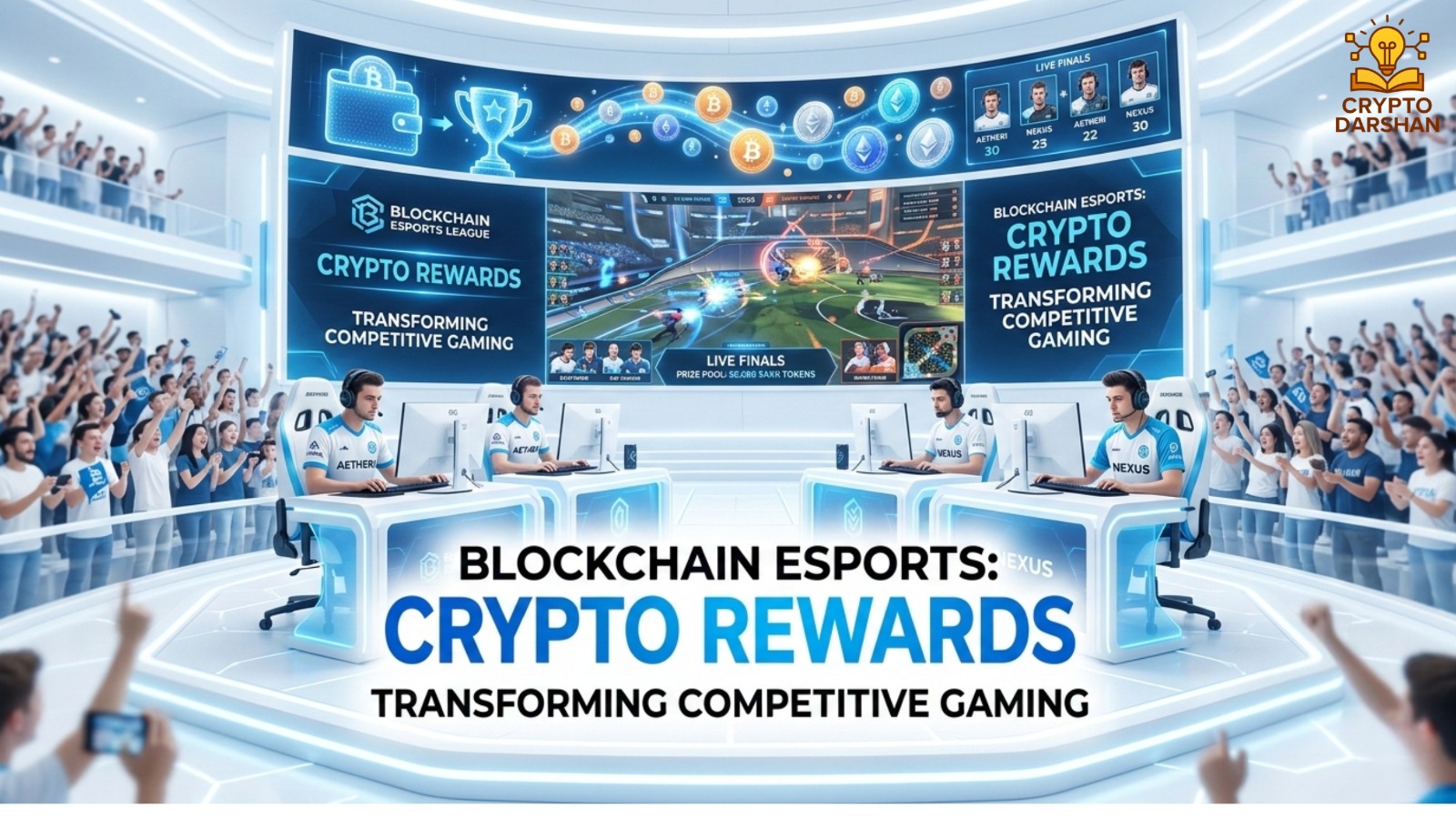
Blockchain Esports is reshaping the world of competitive gaming by merging blockchain technology with the fast-growing esports industry. This combination is creating a new digital ecosystem where players, teams, and fans can earn, trade, and invest using cryptocurrencies and NFTs. Esports is not just a trend; it is a revolution that is redefining how gamers interact with digital assets, how tournaments are organized, and how rewards are distributed.
The rise of Blockchain Esports is driven by the increasing demand for transparency, fairness, and decentralization in gaming. Traditional esports rely heavily on centralized platforms that control prize pools, sponsorships, and player data. Blockchain Esports eliminates these barriers by using decentralized ledgers that ensure every transaction, reward, and achievement is recorded securely and transparently. This innovation is empowering players and fans alike, giving them more control over their digital identities and earnings.
The Evolution of Esports and the Role of Blockchain

Esports has grown from small LAN tournaments into a billion-dollar global industry. Millions of players compete in games like League of Legends, Dota 2, and Counterstrike: Global Offensive, while millions more watch live streams and tournaments online. However, despite its success, traditional esports faces challenges such as lack of transparency in prize distribution, limited monetization opportunities for players, and centralized control by gaming publishers.
Esports addresses these issues by introducing decentralized systems that allow for fair competition and transparent reward mechanisms. Through smart contracts, prize pools can be automatically distributed to winners without intermediaries. Players can also earn crypto rewards for their performance, participation, and engagement. This new model ensures that every participant in the ecosystem benefits fairly. As gaming moves on-chain, ownership and rewards are changing fast, similar to trends discussed in soulbound tokens and digital identity in Web3.
Blockchain Esports also introduces tokenized assets, allowing players to own in-game items as NFTs. These digital assets can be traded, sold, or used across multiple games, creating a new layer of economic opportunity. The integration of blockchain technology ensures that ownership is verifiable and secure, reducing fraud and enhancing trust among players and organizers.
How Blockchain Esports Works
Blockchain games, or blockchain esports, are video games that are administered with or built in part using blockchain technology. Depending on the exact way they leverage blockchain technology, they’re sometimes referred to as crypto games, NFT games, web3 games, or metaverse games.
At the core of Blockchain Esports is blockchain technology, which operates as a decentralized ledger that records all transactions across a network of computers. This ensures that data cannot be altered or manipulated, providing transparency and security. In the context of esports, blockchain enables several key features:
Smart Contracts
These are self-executing contracts with terms written into code. In Blockchain Esports, smart contracts can automatically distribute prize money, verify match results, and manage tournament logistics without human intervention.
Crypto Rewards
Players and teams can earn cryptocurrencies for their achievements, participation, and fan engagement. These rewards can be instantly transferred to digital wallets, eliminating delays and reducing transaction fees.
NFT Integration
Non-fungible tokens (NFTs) represent unique digital assets such as skins, avatars, or trophies. In Blockchain Esports, NFTs can be used to reward players, commemorate victories, or trade valuable in-game items.
Decentralized Governance
Blockchain Esports platforms often use decentralized autonomous organizations (DAOs) to allow players and fans to vote on decisions such as tournament rules, prize structures, and platform updates.
Cross-Platform Compatibility
Blockchain Esports enables interoperability between different games and platforms, allowing players to use their crypto assets across multiple ecosystems.
Benefits of Blockchain Esports

1. Transparency and Fairness
One of the biggest advantages of Blockchain Esports is transparency. Every transaction, match result, and reward distribution is recorded on the blockchain, making it publicly verifiable. This eliminates cheating, fraud, and manipulation, ensuring that all players compete on equal terms.
2. Instant and Secure Payments
Traditional esports tournaments often take weeks to distribute prize money. Blockchain Esports solves this problem through smart contracts that automatically release crypto rewards once conditions are met. Payments are instant, secure, and borderless, allowing players from any country to receive their earnings without intermediaries.
3. True Ownership of Digital Assets

In traditional gaming, players do not truly own their in-game items. Blockchain Esports changes this by tokenizing assets as NFTs, giving players full ownership and control. These assets can be traded or sold on decentralized marketplaces, creating new income streams for gamers.
4. Decentralized Ecosystem
Blockchain Esports removes the need for centralized authorities. Players, teams, and fans can interact directly through decentralized platforms. This democratizes the esports industry, giving more power to the community and reducing the influence of large corporations.
5. Enhanced Fan Engagement
Fans can participate in Blockchain Esports by purchasing NFTs, voting in DAOs, or supporting their favorite players through crypto donations. This creates a more interactive and rewarding experience for the audience, turning spectators into active participants.
6. Global Accessibility
Blockchain Esports is borderless. Anyone with an internet connection and a crypto wallet can join tournaments, earn rewards, and trade assets. This inclusivity opens opportunities for players from developing regions who may not have access to traditional esports infrastructure.
The Role of Crypto Rewards in Blockchain Esports

Crypto rewards are the backbone of Blockchain Esports. They provide a decentralized and efficient way to compensate players, teams, and fans. These rewards can come in various forms, including:
- Prize Pools: Distributed automatically through smart contracts after tournaments.
- Performance Bonuses: Awarded for achievements such as high scores, MVP titles, or milestones.
- Engagement Rewards: Given to fans who participate in community events, vote in DAOs, or promote tournaments.
- NFT Rewards: Unique digital collectibles that commemorate victories or special events.
Crypto rewards not only incentivize participation but also create a sustainable economy within the Blockchain Esports ecosystem. Players can reinvest their earnings, trade NFTs, or stake tokens to earn passive income. This financial model encourages long-term engagement and loyalty.
Popular Blockchain Esports Platforms

Several platforms are leading the Blockchain Esports revolution by integrating blockchain technology into competitive gaming:
- Axie Infinity: A play-to-earn game where players battle using NFT creatures called Axies. Players earn tokens that can be traded or used within the ecosystem.
- Thetan Arena: A multiplayer online battle arena (MOBA) game that rewards players with crypto tokens for their performance and participation.
- Zed Run: A digital horse racing game where players own, breed, and race NFT horses, earning crypto rewards based on performance.
- Splinterlands: A blockchain-based card game where players earn tokens and NFTs through battles and tournaments.
- GuildFi: A decentralized gaming guild that connects players with Blockchain Esports opportunities, offering scholarships and crypto incentives.
The Economic Impact of Blockchain Esports
Blockchain Esports is creating a new digital economy that benefits players, developers, and investors. The integration of crypto rewards and NFTs has introduced new revenue streams and business models. Players can earn income through gameplay, while developers can generate revenue from NFT sales and token economies.
Investors are also drawn to Esports due to its potential for growth. Tokenized ecosystems allow for fractional ownership, enabling investors to support teams, tournaments, or platforms. This democratization of investment opportunities is fueling innovation and expansion across the industry.
Moreover, Esports is bridging the gap between gaming and decentralized finance (DeFi). Players can stake their tokens, participate in liquidity pools, or use their earnings in DeFi applications. This integration enhances the utility of crypto rewards and strengthens the overall ecosystem.
Challenges Facing Blockchain Esports

While Blockchain Esports offers numerous benefits, it also faces challenges that must be addressed for sustainable growth:
- Scalability: Blockchain networks can experience congestion and high transaction fees, affecting the user experience.
- Regulatory Uncertainty: The legal status of cryptocurrencies and NFTs varies across countries, creating compliance challenges for global platforms.
- User Adoption: Many gamers are unfamiliar with blockchain technology, which can hinder adoption. Education and user-friendly interfaces are essential.
- Security Risks: Although blockchain is secure, smart contract vulnerabilities and phishing attacks can pose risks to users.
- Market Volatility: The value of crypto rewards can fluctuate significantly, affecting player earnings and platform stability.
Despite these challenges, the potential of Blockchain Esports remains immense. Continuous innovation and collaboration between developers, regulators, and communities will drive the industry forward.
The Future of Blockchain Esports
The future of Blockchain Esports is bright, with several trends shaping its evolution:
- Metaverse Integration: Blockchain Esports will play a central role in the metaverse, where virtual worlds, gaming, and digital economies converge.
- Cross-Game Economies: Players will be able to use their crypto assets across multiple games, creating interconnected ecosystems.
- AI and Data Analytics: Artificial intelligence will enhance matchmaking, performance analysis, and fan engagement in Blockchain Esports.
- Sponsorship and Branding: Brands will increasingly use blockchain-based sponsorships and NFTs to engage with esports audiences.
- Sustainable Gaming Models: Blockchain Esports will promote fair revenue sharing and eco-friendly blockchain solutions.
As technology advances, Blockchain Esports will continue to redefine competitive gaming, offering new opportunities for players, fans, and investors worldwide.
Case Studies in Blockchain Esports

Axie Infinity: The Play-to-Earn Pioneer
Axie Infinity is one of the most successful examples of Blockchain Esports. Players earn tokens by battling, breeding, and trading NFT creatures. The game’s economy has empowered thousands of players, especially in developing countries, to earn a living through gaming. Its success demonstrates the potential of Blockchain Esports to create real-world economic impact.
Thetan Arena: Competitive Gaming with Crypto Rewards
Thetan Arena combines traditional MOBA gameplay with blockchain technology. Players earn tokens for victories and achievements, which can be traded or used to purchase NFTs. The game’s competitive structure and crypto incentives make it a leading example of Blockchain Esports innovation.
Zed Run: Digital Horse Racing Revolution
Zed Run transforms horse racing into a blockchain-based experience. Players own NFT horses with unique traits and compete in races for crypto rewards. The platform’s transparent and decentralized structure exemplifies how Blockchain Esports can bring traditional sports into the digital age.
How Players Benefit from Blockchain Esports

Players are at the heart of Blockchain Esports. The decentralized model ensures that they receive fair compensation for their skills and time. Key benefits include:
- Earning Potential: Players can earn crypto rewards through gameplay, tournaments, and NFT trading.
- Ownership: In-game assets are owned by players, not developers.
- Global Opportunities: Blockchain Esports allows players from any region to compete and earn.
- Community Governance: Players can influence platform decisions through DAOs.
- Financial Freedom: Crypto rewards can be converted into fiat currency or reinvested in the ecosystem.
How Developers and Investors Benefit

Blockchain Esports is not only transforming the player experience but also creating powerful opportunities for developers and investors. The integration of blockchain technology into competitive gaming introduces new business models, revenue streams, and long-term growth potential. Both developers and investors play crucial roles in building and sustaining this ecosystem, and the benefits they gain are substantial.
1. New Revenue Streams for Developers
In traditional gaming, developers primarily earn through game sales, in-app purchases, and advertisements. Blockchain Esports expands these possibilities by introducing tokenized economies and decentralized marketplaces. Developers can now generate income through:
- NFT Sales: Developers can create and sell unique in-game assets such as skins, weapons, avatars, or collectibles as NFTs. Each sale or trade generates revenue through transaction fees or royalties.
- Token Economies: Many Blockchain Esports platforms issue their own native tokens. Developers can earn from token launches, staking mechanisms, and transaction fees within their ecosystem.
- Smart Contract Fees: Developers can design smart contracts that handle tournament entries, prize distributions, and in-game transactions, earning small fees for each interaction.
- Secondary Market Royalties: Unlike traditional games, blockchain allows developers to earn royalties every time an NFT is resold, ensuring continuous income even after the initial sale.
2. Enhanced Player Retention and Engagement
Blockchain Esports encourages long-term player engagement through ownership and rewards. When players can earn crypto rewards or own valuable NFTs, they are more likely to stay active in the game. This sustained engagement benefits developers by:
- Increasing the game’s active user base.
- Boosting in-game transactions and NFT trading volume.
- Strengthening community loyalty and brand reputation.
Developers can also use blockchain analytics to track player behavior, reward loyal users, and design better in-game economies.
3. Community-Driven Growth
Blockchain Esports platforms often operate under decentralized governance models, such as DAOs (Decentralized Autonomous Organizations). This allows players and fans to participate in decision-making processes, such as voting on updates, tournament rules, or new features.
For developers, this means:
- Reduced marketing costs, as the community actively promotes the platform.
- Organic growth driven by user participation.
- Stronger trust between developers and players, since decisions are transparent and community-approved.
This collaborative approach helps developers build sustainable ecosystems that evolve with player needs.
4. Investment Opportunities in Tokenized Ecosystems

For investors, Blockchain Esports offers a wide range of opportunities beyond traditional sponsorships or team ownership. The tokenization of assets and economies allows investors to participate in multiple ways:
- Token Investments: Investors can purchase native tokens of Blockchain Esports platforms, which may appreciate in value as the ecosystem grows.
- NFT Investments: Rare NFTs, such as exclusive skins, characters, or digital collectibles, can become valuable assets that appreciate over time.
- Equity in Esports Startups: Investors can fund blockchain-based gaming startups and earn returns as these companies expand.
- Staking and Yield Farming: Some Blockchain Esports platforms allow investors to stake tokens or provide liquidity, earning passive income through interest or rewards.
These investment models are transparent and verifiable on the blockchain, reducing fraud and increasing investor confidence.
5. Global Market Expansion
Blockchain Esports operates on decentralized networks, meaning developers and investors can reach global audiences without relying on regional intermediaries. This borderless nature allows:
- Developers to attract players from any country.
- Investors to support international projects without currency conversion issues.
- Easier cross-border transactions using cryptocurrencies.
This global accessibility increases market potential and diversifies revenue sources.
6. Long-Term Sustainability and Innovation
Blockchain Esports encourages innovation by allowing developers to experiment with new game mechanics, reward systems, and economic models. Investors benefit from supporting these innovations early, gaining exposure to emerging technologies and trends.
For example:
- Developers can integrate play-to-earn mechanics, where players earn crypto for achievements.
- Investors can back projects that combine esports with metaverse experiences, creating new entertainment formats.
This continuous innovation ensures that both developers and investors remain at the forefront of the gaming industry’s evolution.
How Developers and Investors Benefit
Developers and investors also gain from the growth of Blockchain Esports:
- New Revenue Streams: NFT sales, token economies, and transaction fees generate income.
- Community Growth: Decentralized platforms attract loyal and engaged communities.
- Innovation Opportunities: Blockchain technology enables new game mechanics and monetization models.
- Investment Potential: Tokenized assets and esports tokens offer new investment opportunities.
The Social Impact of Blockchain Esports
Blockchain Esports is not just about gaming; it is also about empowerment. By providing financial opportunities through crypto rewards, it helps players in developing regions achieve economic independence. It also promotes digital literacy, financial inclusion, and global connectivity.
Communities built around Blockchain Esports are diverse and inclusive, bringing together players, developers, and fans from around the world. This global collaboration fosters creativity, innovation, and cultural exchange.
FAQ: Blockchain Esports & Crypto Rewards

1. What is blockchain esports?
Blockchain esports refers to competitive gaming ecosystems where blockchain technology is used to manage rewards, ownership, and transparency. Players can earn crypto tokens or NFTs instead of traditional prize money.
2. How do crypto rewards work in esports?
Players earn cryptocurrency or digital assets by:
- Winning tournaments
- Completing in-game challenges
- Participating in play-to-earn ecosystems
These rewards are stored in crypto wallets and can often be traded or converted into real-world money.
3. What are NFTs in esports gaming?
NFTs (Non-Fungible Tokens) represent unique in-game assets such as:
- Skins
- Weapons
- Characters
- Collectibles
Unlike traditional games, players truly own these assets and can sell or trade them freely.
4. Is blockchain esports better than traditional esports?
Blockchain esports offers advantages like:
- True ownership of in-game assets
- Transparent prize distribution
- Global accessibility without intermediaries
However, it also faces challenges like market volatility and regulatory uncertainty.
5. What is play-to-earn (P2E) in esports?
Play-to-earn allows gamers to earn crypto rewards simply by playing. Unlike traditional gaming, where rewards are locked in-game, P2E enables real financial value for time and skill.
Conclusion
Blockchain Esports is transforming competitive gaming by merging blockchain technology with the dynamic world of esports. Through crypto rewards, NFTs, and decentralized governance, it is creating a transparent, fair, and inclusive ecosystem. Players gain true ownership of their assets, instant payments, and new income opportunities. Developers and investors benefit from innovative business models and growing communities.
As Blockchain Esports continues to evolve, it will redefine how games are played, how rewards are earned, and how digital economies function. The fusion of blockchain and esports marks the beginning of a new era in gaming—one where transparency, fairness, and empowerment are at the core of every competition. Blockchain Esports is not just the future of gaming; it is the foundation of a new digital revolution