Sustainable Mining is transforming the way digital currencies are produced. As the world becomes more conscious of environmental issues, the energy-intensive process of cryptocurrency mining has come under scrutiny. Bitcoin, the most popular cryptocurrency, requires vast amounts of electricity to maintain its network. Traditional mining operations often rely on fossil fuels, leading to high carbon emissions. However, a new wave of innovation is emerging. This shift not only reduces environmental impact but also enhances the long-term viability of the cryptocurrency ecosystem.
This article explores how Sustainable Mining is reshaping Bitcoin farms, the technologies driving this change, the economic and environmental benefits, and the challenges that must be overcome to achieve a truly green crypto future.
Understanding Bitcoin Mining

Bitcoin mining is the process by which transactions are officially entered on the blockchain and new bitcoins are launched into circulation. Miners use computers to find a cryptographic number that meets the Bitcoin network’s difficulty rules.
However, mining consumes enormous amounts of energy. According to research, Bitcoin mining uses more electricity annually than some entire countries. The majority of this energy comes from non-renewable sources, contributing to greenhouse gas emissions and environmental degradation. This is where Sustainable Mining becomes essential.
What Is Sustainable Mining?

Sustainable Mining refers to the practice of conducting cryptocurrency mining operations using renewable energy sources and environmentally friendly technologies. It aims to minimize the carbon footprint of mining activities while maintaining profitability and efficiency. The concept extends beyond energy use, it also includes responsible hardware disposal, efficient cooling systems, and sustainable infrastructure design.
The goal of Sustainable Mining is to balance technological advancement with environmental preservation. By integrating renewable energy into mining operations, the industry can reduce its dependence on fossil fuels and contribute to global sustainability goals.
How Renewables Power Green Bitcoin Farms.

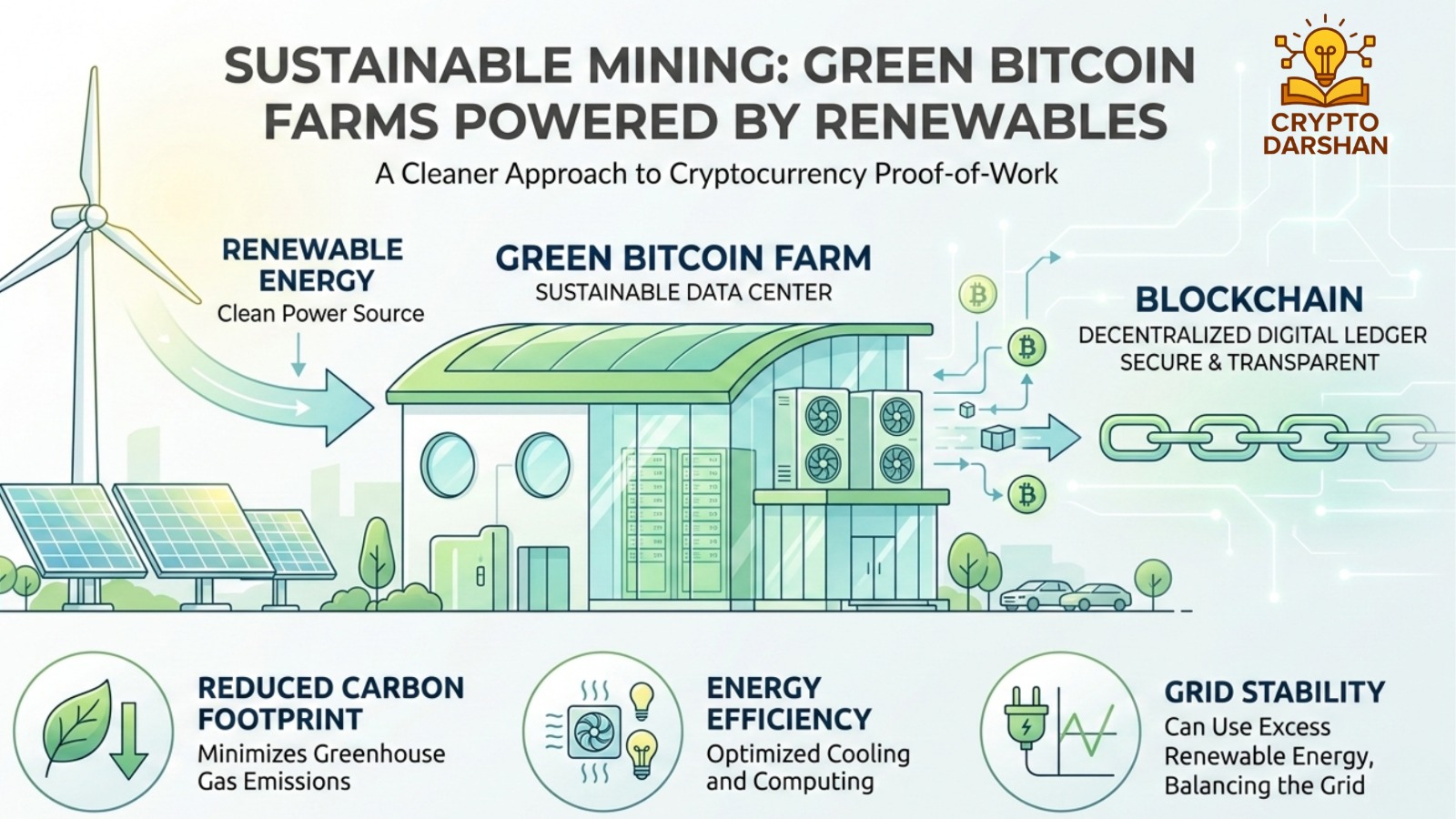
Green Bitcoin farms are powered by renewable energy sources, such as solar, wind, hydro, and geothermal, rather than by fossil fuels. These farms are designed to make cryptocurrency mining more environmentally friendly and energy efficient.
Bitcoin mining requires powerful computers that solve complex mathematical problems to validate transactions. This process consumes substantial electricity, which is traditionally generated from coal or natural gas. Green Bitcoin farms solve this problem by using clean, renewable energy to power their mining equipment. Beyond mining, infrastructure innovation also plays a role see how in modular blockchain architectures, improving efficiency and scalability.
Here’s how it works:
- Solar Power – Mining farms install large arrays of solar panels that capture sunlight and convert it into electricity. This energy powers the mining rigs during the day, and excess energy can be stored in batteries for nighttime use.
- Wind Energy – Wind turbines generate electricity from moving air. In windy regions, Bitcoin farms use this energy to run their operations continuously, even when sunlight isn’t available.
- Hydroelectric Power – Some farms are built near rivers or dams where flowing water drives turbines to produce electricity. Hydropower is one of the most stable and cost-effective renewable sources for mining.
- Geothermal Energy – In areas with volcanic or geothermal activity, heat from the Earth’s core is converted into electricity. This provides a constant and reliable energy source for mining operations.
- Energy Storage Systems – Batteries and other storage technologies help balance energy supply and demand. They store excess renewable energy and release it when production drops, ensuring mining rigs run 24/7.
By using renewables, green Bitcoin farms reduce carbon emissions, lower energy costs, and make cryptocurrency mining more sustainable. This approach not only helps protect the environment but also ensures the long-term viability of the Bitcoin network in a world moving toward clean energy.
The Environmental Impact of Traditional Mining

Traditional Bitcoin mining has been criticized for its environmental impact. The main issues include:
- High Energy Consumption
Mining rigs operate 24/7, consuming vast amounts of electricity. This demand often leads to increased reliance on coal and natural gas. - Carbon Emissions
Fossil fuel-based energy sources release large quantities of carbon dioxide, contributing to climate change. - E-Waste Generation
Mining hardware becomes obsolete quickly, leading to electronic waste that is difficult to recycle. - Heat Pollution
Mining farms generate significant heat, which can affect local environments if not managed properly.
Sustainable Mining addresses these issues by promoting renewable energy use, efficient cooling systems, and recycling initiatives.
Renewable Energy Sources for Sustainable Mining

1. Solar Power
Solar energy is one of the most accessible and scalable renewable sources for Sustainable Mining. By installing solar panels, mining farms can harness sunlight to power their operations. Solar farms can be built in remote areas with abundant sunlight, reducing dependence on traditional power grids.
2. Wind Energy
Wind turbines convert wind into electricity, providing a clean and consistent energy source. Wind-powered Sustainable Mining farms are particularly effective in regions with strong and steady winds. Combining wind and solar energy can ensure continuous power supply even when sunlight is unavailable.
3. Hydroelectric Power
Hydropower is one of the oldest and most reliable renewable energy sources. Many Sustainable Mining operations are located near hydroelectric plants, where they can access cheap and clean electricity. Countries like Iceland and Canada have become popular destinations for hydro-powered mining.
4. Geothermal Energy
Geothermal energy harnesses heat from the Earth’s core. It provides a stable and renewable power source for Sustainable Mining. Iceland, for example, uses geothermal energy to power many of its mining operations, making it one of the greenest mining hubs in the world.
The Role of Energy Efficiency in Sustainable Mining
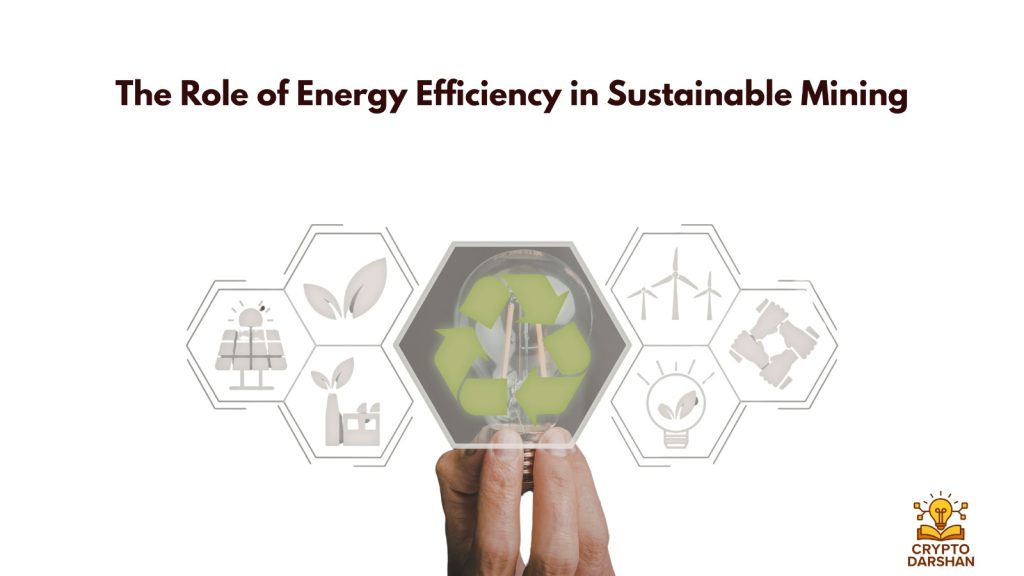
Energy efficiency is a key component of Sustainable Mining. Beyond switching to renewables, miners can adopt technologies and practices that reduce overall energy consumption. These include:
- Advanced Cooling Systems: Using liquid cooling or immersion cooling to reduce heat and improve hardware performance.
- Energy-Efficient Hardware: Investing in ASIC miners designed for high performance with lower power usage.
- Smart Energy Management: Implementing AI-driven systems to monitor and optimize energy use in real time.
- Recycling Waste Heat: Redirecting excess heat from mining rigs to warm buildings or greenhouses.
By combining renewable energy with energy-efficient technologies, Sustainable Mining can significantly lower its environmental footprint.
Economic Benefits of Sustainable Mining

1. Lower Operating Costs
Renewable energy sources, once installed, have minimal ongoing costs. Over time, Sustainable Mining operations can achieve lower electricity expenses compared to those relying on fossil fuels.
2. Long-Term Profitability
As global energy prices fluctuate, renewable-powered mining farms remain stable. This ensures consistent profitability and shields miners from market volatility.
3. Government Incentives
Many governments offer tax breaks, grants, and subsidies for renewable energy projects. Sustainable Mining operations can benefit from these incentives, improving their financial sustainability.
4. Positive Brand Image
Companies that adopt Sustainable Mining practices gain a competitive advantage by appealing to environmentally conscious investors and consumers. This enhances brand reputation and attracts long-term partnerships.
Case Studies of Sustainable Mining Operations

Case Study 1: Iceland’s Geothermal Bitcoin Farms
Iceland is a global leader in Sustainable Mining. Its abundant geothermal and hydroelectric resources provide clean, affordable energy for mining operations. The country’s cool climate also reduces the need for artificial cooling, further improving efficiency.
Case Study 2: Canada’s Hydropower Mining Facilities
Canada’s Quebec region hosts several Sustainable Mining farms powered by hydroelectric energy. These operations benefit from low electricity costs and a stable renewable energy supply, making them highly profitable and eco-friendly.
Case Study 3: Texas Solar-Powered Mining Farms
In the United States, Texas has become a hub for Sustainable Mining due to its vast solar potential. Mining companies are building large-scale solar farms to power their operations, reducing dependence on the traditional grid.
Case Study 4: China’s Transition to Green Mining
After government crackdowns on coal-powered mining, several Chinese companies relocated to regions with renewable energy sources. This shift has accelerated the adoption of Sustainable Mining practices in Asia.
Challenges Facing Sustainable Mining

Despite its benefits, Sustainable Mining faces several challenges:
High Initial Costs
Setting up renewable energy infrastructure requires significant investment. Solar panels, wind turbines, and geothermal systems can be expensive to install.
Energy Storage Limitations
Renewable energy sources like solar and wind are intermittent. Efficient energy storage solutions, such as batteries, are needed to ensure continuous mining operations.
Regulatory Barriers
Some regions lack clear regulations for renewable-powered mining, creating uncertainty for investors.
Technological Constraints
Not all mining hardware is optimized for energy efficiency. Upgrading equipment can be costly and time-consuming.
Grid Integration
Integrating renewable energy into existing power grids can be complex, especially in remote areas. Overcoming these challenges is essential for the widespread adoption of Sustainable Mining.
The Future of Sustainable Mining

The future of Sustainable Mining looks promising. As renewable energy technologies become more affordable and efficient, more mining operations will transition to green power. Innovations such as decentralized energy grids, blockchain-based carbon tracking, and AI-driven energy optimization will further enhance sustainability. Emerging Trends:
Decentralized Renewable Networks
Miners may form decentralized energy cooperatives, sharing renewable resources across regions.
Carbon-Neutral Mining Tokens
Some projects are developing tokens that certify carbon-neutral mining operations, promoting transparency and accountability.
Integration with Smart Grids
Sustainable Mining farms can contribute to smart grids by balancing energy supply and demand, improving grid stability.
Recycling and Circular Economy
Future mining operations will focus on recycling old hardware and repurposing materials to reduce waste.
The Role of Blockchain in Promoting Sustainability

Blockchain plays a major role in promoting sustainability by improving transparency, accountability, and efficiency across industries. It helps track resources, verify environmental claims, and support eco-friendly practices through its decentralized and tamper-proof nature.
Here’s how blockchain contributes to sustainability:
Transparency and Traceability
Blockchain records every transaction on a public ledger that cannot be altered. This allows companies and consumers to trace the origin of products, materials, or energy sources. For example, it can verify whether a product was made using sustainable materials or if a mining operation uses renewable energy.
Carbon Tracking and Offsetting
Blockchain can record carbon emissions and offsets in real time. This ensures that companies accurately report their environmental impact and prevents double-counting of carbon credits. It also allows individuals and organizations to buy verified carbon offsets directly through blockchain-based platforms.
Renewable Energy Trading
Blockchain enables peer-to-peer energy trading, where individuals or businesses can buy and sell excess renewable energy directly. This decentralizes the energy market, encourages renewable adoption, and reduces waste by making energy distribution more efficient.
Supply Chain Sustainability

In supply chains, blockchain ensures that every step—from raw material extraction to product delivery—is recorded and verified. This helps identify unsustainable practices and encourages companies to adopt greener methods.
Incentivizing Green Behavior
Blockchain can support reward systems that encourage sustainable actions. For example, users can earn tokens for recycling, using renewable energy, or supporting eco-friendly projects. These tokens can then be traded or used for discounts and benefits.
Reducing Fraud in Sustainability Claims
Many companies make “green” claims that are hard to verify. Blockchain’s immutable records make it easier to confirm whether sustainability goals are genuinely met, reducing greenwashing and building trust among consumers and investors.
Supporting Sustainable Mining
In cryptocurrency mining, blockchain can verify that mining operations use renewable energy sources. Smart contracts can automatically certify and reward miners who follow sustainable practices, promoting a greener crypto ecosystem.
Global Policies Supporting Sustainable Mining

Governments and international organizations are increasingly supporting Sustainable Mining initiatives. Policies promoting renewable energy adoption, carbon neutrality, and green innovation are driving the transition.
- European Union: The EU’s Green Deal encourages industries, including crypto mining, to adopt renewable energy.
- United States: Several states offer tax incentives for renewable-powered mining operations.
- China: Despite restrictions on mining, the government supports renewable energy development, indirectly promoting Sustainable Mining.
- El Salvador: The country’s Bitcoin mining operations use geothermal energy from volcanoes, setting an example for others.
Community and Social Impact
Sustainable Mining not only benefits the environment but also supports local communities. Renewable energy projects create jobs, stimulate local economies, and improve energy access in remote areas. By investing in sustainable infrastructure, mining companies can contribute to social development and environmental stewardship.
Efficiency improvements aren’t limited to energy sources; protocol-level upgrades like Layer-2 solutions also reduce overall network load, as explained in Lightning Network wallets powering Bitcoin’s Layer-2 ecosystem.
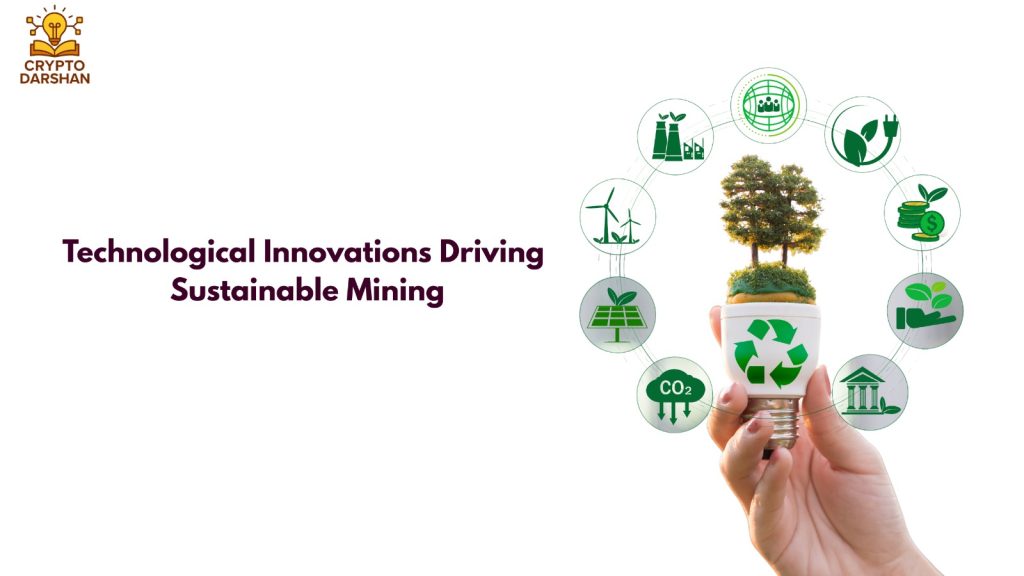
Technological Innovations Driving Sustainable Mining
- Immersion Cooling Systems
These systems submerge mining hardware in non-conductive liquids, reducing heat and improving energy efficiency. - AI and Machine Learning
Artificial intelligence can optimize energy consumption, predict maintenance needs, and enhance mining performance. - Modular Mining Units
Portable mining containers powered by renewables allow flexible deployment in areas with abundant green energy. - Battery Storage Solutions
Advanced batteries store excess renewable energy, ensuring continuous mining operations even during low production periods. - Blockchain-Based Energy Management
Blockchain can track renewable energy usage, ensuring transparency and compliance with sustainability standards.
The Economics of Green Bitcoin

Sustainable Mining is not just an environmental initiative—it’s an economic strategy. As global energy markets evolve, renewable energy becomes increasingly cost-competitive. Mining operations that adopt renewables early gain a long-term advantage.
- Reduced Energy Costs: Renewable energy prices continue to decline, lowering operational expenses.
- Increased Investor Confidence: Green investments attract institutional investors seeking sustainable portfolios.
- Regulatory Compliance: Governments may impose carbon taxes on non-renewable mining, making Sustainable Mining more profitable.
- Market Differentiation: Green Bitcoin could command a premium in markets that value sustainability.
Measuring the Success of Sustainable Mining

To evaluate the effectiveness of Sustainable Mining, several metrics can be used:
- Carbon Footprint Reduction: Measuring the decrease in CO₂ emissions compared to traditional mining.
- Energy Efficiency Ratio: Assessing the amount of Bitcoin mined per unit of energy consumed.
- Renewable Energy Share: Calculating the percentage of total energy derived from renewable sources.
- Economic Viability: Comparing operational costs and profitability over time.
- Community Impact: Evaluating job creation and local development benefits.
The Path Toward a Carbon-Neutral Crypto Industry

Achieving a carbon-neutral crypto industry requires collaboration among miners, governments, and technology providers. Sustainable Mining is the foundation of this transformation. By adopting renewable energy, improving efficiency, and embracing innovation, the crypto sector can align with global sustainability goals.
Key steps include:
- Transitioning all mining operations to renewable energy.
- Implementing carbon offset programs.
- Encouraging transparency through blockchain-based reporting.
- Supporting research and development in green technologies.
- Promoting global cooperation for sustainable energy access.
FAQ: Sustainable Mining & Green Bitcoin Farms

1. What is sustainable Bitcoin mining?
Sustainable Bitcoin mining refers to the process of mining Bitcoin using environmentally friendly energy sources such as solar, wind, hydro, or geothermal power instead of fossil fuels.
2. Why is Bitcoin mining considered harmful to the environment?
Bitcoin mining consumes large amounts of electricity due to its proof-of-work system. When powered by fossil fuels, it can lead to high carbon emissions and environmental damage.
3. How do renewable-powered Bitcoin farms work?
Green Bitcoin farms use renewable energy sources like solar panels, wind turbines, or hydroelectric dams to generate electricity for mining operations, reducing carbon footprints significantly.
4. What percentage of Bitcoin mining uses renewable energy?
Recent estimates suggest that over 50% of Bitcoin mining now uses sustainable energy, showing a growing shift toward greener practices.
5. Which renewable energy sources are used in Bitcoin mining?
Common renewable sources include:
- Solar energy
- Wind energy
- Hydropower
- Geothermal energy
- Biomass energy
6. Can Bitcoin mining actually support renewable energy growth?
Yes. Bitcoin mining can utilize excess or unused renewable energy, making green energy projects more profitable and encouraging further investment in clean infrastructure.
Conclusion
Sustainable Mining represents the future of cryptocurrency production. It combines technological innovation with environmental responsibility, ensuring that digital currencies like Bitcoin can thrive without harming the planet. By leveraging renewable energy sources, improving efficiency, and adopting eco-friendly practices, mining operations can achieve long-term sustainability and profitability.
The transition to Sustainable Mining is not just a trend—it is a necessity. As the world moves toward a greener economy, the crypto industry must lead by example. Green Bitcoin farms powered by renewables demonstrate that economic growth and environmental protection can coexist. Through continued innovation, collaboration, and commitment, Sustainable Mining will pave the way for a cleaner, more sustainable digital future.