


Real-World Assets (RWA) on blockchain are gaining traction, but now California ramps up oversight with its Digital Financial Assets Law (DFAL). This move marks a big step in state-level crypto rules, affecting exchanges, wallets, and more starting July 2026.
What is California’s DFAL?
California’s Digital Financial Assets Law, or DFAL, sets up a full system to license and watch over crypto firms. Signed by Governor Newsom in October 2023, it gives the Department of Financial Protection and Innovation (DFPI) power to grant licenses, run checks, and punish rule-breakers. The law covers “digital financial asset business activity,” which means swapping, holding, moving, or managing crypto with state residents.
This framework aims to shield users from scams and bad practices in the fast crypto world. Unlike federal rules that lag behind, DFAL acts now. Lawmakers pushed back the main start date from 2025 to July 1, 2026, via AB 1934, so firms get more prep time.
Key Licensing Rules Under DFAL
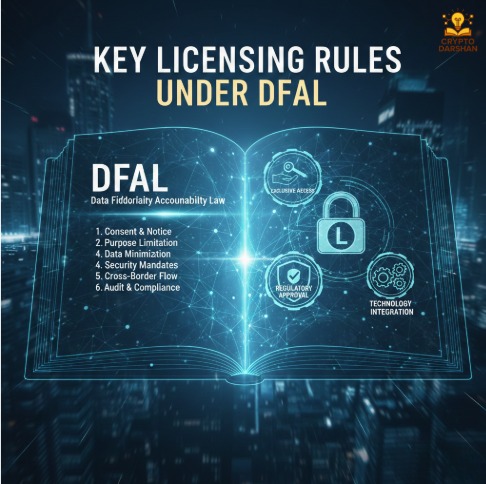
From July 1, 2026, no crypto business can work with Californians without a DFPI license or a filed application. This hits exchanges, custodians, wallet providers, and stablecoin makers hard. Kiosk operators those Bitcoin ATMs face extra steps too.
To get licensed, companies must show strong finances, safe systems, and anti-money laundering steps. DFPI can hand out short-term or out-of-state licenses if standards match up, like New York’s BitLicense holders. Fees, risks, and asset safety must be clear to users. Stablecoins need DFPI okay, with full reserves and quick cash-outs.
Kiosks had early rules: since 2024, they cap daily deals at $1,000 and give receipts. By 2025, fees can’t top $5 or 15% per trade, and warnings pop up before buys. Full licensing kicks in 2026.
Why California Leads in Crypto Oversight

California, home to tech giants and millions of crypto users, wants to lead safe innovation. DFAL plugs gaps left by slow federal action, much like New York did years ago. It stops unlicensed outfits from serving residents, cutting fraud risks.
DFPI runs exams on-site or online and can slap fines, halt ops, or grab assets for bad actors. This builds trust, drawing legit players while weeding out shady ones. For RWA tokenization, clearer rules mean smoother real estate or bond trades on the chain.
Impacts on Crypto Firms and Users

Businesses face big changes. National exchanges like Coinbase must license up or tweak services. Small startups might team with licensed partners or shift states. Costs rise for bonds, audits, and reports, but compliance opens California’s huge market.
Users gain safety: licensed firms mean better safeguards, clear fees, and quick fixes for issues. Yet, some fear over-regulation stifles growth or pushes activity offshore. Crypto kiosks get tighter caps, curbing impulse high-fee buys.
In the RWA space, DFAL could boost tokenized assets by ensuring only solid players handle real-world ties like property deeds. This fits growing trends where blockchain meets traditional finance. As institutional adoption rises through products like Bitcoin ETFs, state-level licensing ensures consumer protection keeps pace with growth
How to Get Ready for DFAL Enforcement
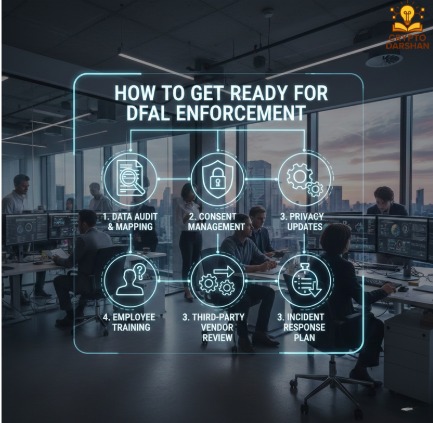
Firms should file apps early via DFPI’s site join their list for tips. Check records, boost security, and map California users. Out-of-state ops? See if conditional licenses apply. Kiosk runners, list spots now and cut fees.
Stay on DFPI’s rules page for updates; they’ve held comment rounds since 2023. Talk to lawyers on exemptions like federally insured banks or game tokens. Track federal shifts too, as they might overlap.
Consumers, pick licensed providers post-2026. Spot fakes by checking DFPI lists. Crypto stays risky no FDIC here, so invest smart.
Broader Picture for Crypto in 2026

DFAL shows states stepping up as Washington debates. With enforcement nearing, expect more rules nationwide. For SEO pros like you in Kathmandu crafting crypto content, this is gold: target “California DFAL compliance” or “crypto licensing 2026.” It ties to RWA growth, where safe regs unlock trillions in assets.


