
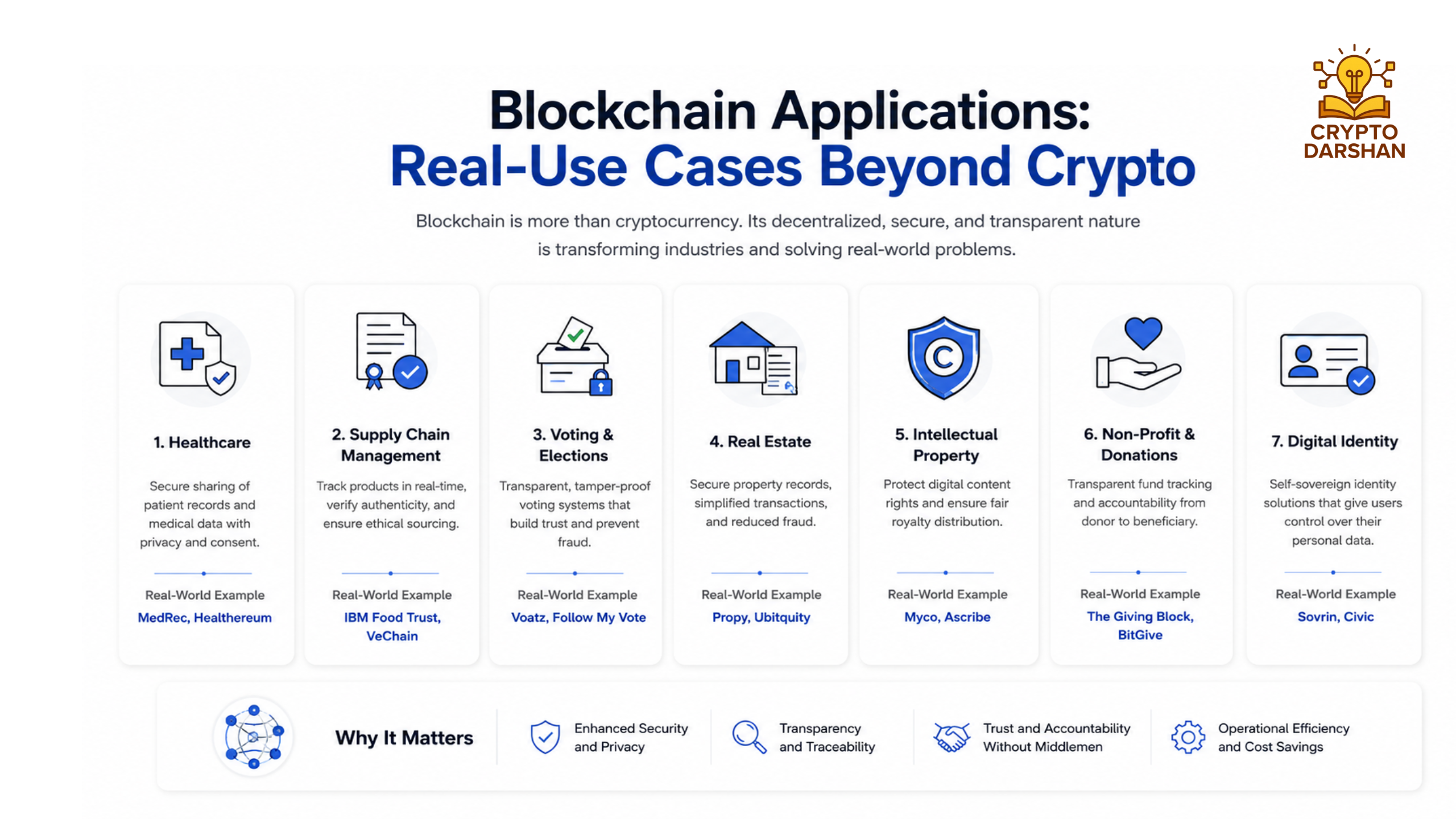
Blockchain technology has evolved far beyond its original use in powering cryptocurrencies like Bitcoin. Today, it serves as a foundation for innovation across industries, offering transparency, security, and efficiency. This article explores 30 real-world blockchain applications that demonstrate how this technology is transforming business, governance, and daily life.
1. Supply Chain Management
Supply chain management coordinates activities that move materials from supplier to manufacturer to customer—on time and on budget. Blockchain enhances supply chain transparency by recording every step of a product’s journey. Companies can trace goods from origin to destination, ensuring authenticity and ethical sourcing. For example, food producers use blockchain to track produce from farms to stores, reducing fraud and contamination risks.
2. Healthcare Data Management
In healthcare, blockchain secures patient records and ensures data integrity. Hospitals and clinics can share medical histories safely, improving diagnosis and treatment. Patients maintain control over their data, granting access only to authorized professionals.
3. Digital Identity Verification
Blockchain-based digital identities eliminate the need for multiple logins and passwords. Users can verify their identity once and use it across platforms. Governments and financial institutions use this system to reduce identity theft and streamline verification processes.
4. Voting Systems
Blockchain voting systems ensure transparency and prevent tampering. Each vote is recorded as a secure transaction, making elections verifiable and resistant to fraud. Countries and organizations are testing blockchain voting to increase trust in democratic processes.
5. Real Estate Transactions
Blockchain simplifies real estate deals by recording property ownership and transfers on a secure ledger. Smart contracts automate payments and title transfers, reducing paperwork and fraud. Buyers and sellers benefit from faster, more transparent transactions.
6. Intellectual Property Protection
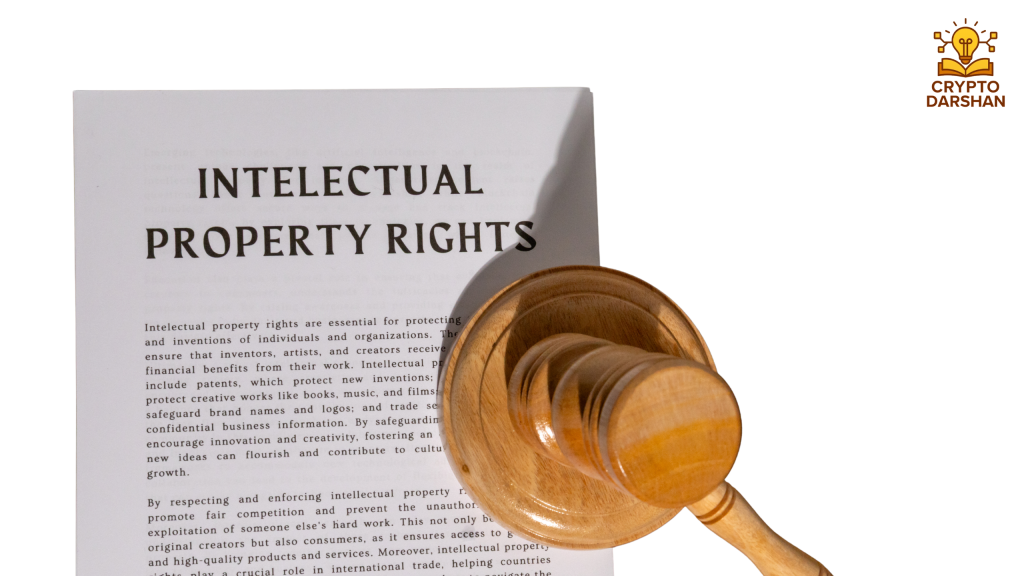
Artists, writers, and inventors use blockchain to register and protect their creations. Each work receives a timestamped record, proving ownership and originality. This system helps prevent plagiarism and unauthorized use of creative content.
7. Financial Services and Banking
Banks use blockchain to speed up cross-border payments and reduce transaction costs. The technology eliminates intermediaries, allowing instant settlements. It also enhances security and reduces fraud in financial operations. Even when you look beyond simple spot trading, blockchain is already reshaping how derivatives work through products like perpetual futures, which are now some of the most traded instruments in decentralized finance.
8. Insurance Claims Processing
Blockchain automates insurance claims through smart contracts. When conditions are met, payments are triggered automatically. This reduces delays, errors, and disputes between insurers and policyholders.
9. Energy Trading
Blockchain enables peer-to-peer energy trading among consumers This decentralized system promotes renewable energy use and reduces reliance on large utilities.
10. Education and Credential Verification
Universities and training institutions use blockchain to issue tamper-proof diplomas and certificates. Employers can verify credentials instantly, reducing fraud and administrative costs. Students benefit from lifelong access to their verified records.
11. Food Safety and Traceability
Each step—harvesting, processing, shipping—is recorded on the blockchain. Consumers can scan a code to verify the product’s origin and quality.
12. Charity and Donations
Blockchain brings transparency to charitable donations. Donors can track how funds are used, ensuring they reach intended recipients. Nonprofits gain trust by showing real-time updates of their financial activities.

13. Government and Public Records
Governments use blockchain to manage land registries, licenses, and public records. This reduces corruption and improves efficiency. Citizens can access verified information without intermediaries.
14. Supply Chain Finance
Blockchain streamlines supply chain financing by providing real-time visibility into transactions. Lenders can verify invoices and payments instantly, reducing fraud and improving liquidity for small businesses. One of the clearest real‑world applications of blockchain is in trade finance, where shared ledgers can cut paperwork, reduce settlement times and make cross‑border transactions cheaper and more transparent for banks and exporters.
15. Logistics and Shipping
Shipping companies use blockchain to track containers and shipments globally. Smart contracts automate customs clearance and payments, reducing delays and paperwork. This improves efficiency and reduces costs.
16. Retail and E-Commerce
Retailers use blockchain applications to verify product authenticity and manage loyalty programs. Customers can confirm that goods are genuine and ethically sourced. Blockchain also simplifies returns and refunds through automated smart contracts. This blockchain application enables retailers to build trust with customers while reducing operational costs.Retailers use blockchain to verify product authenticity and manage loyalty programs. Customers can confirm that goods are genuine and ethically sourced. Blockchain also simplifies returns and refunds through automated smart contracts.
17. Cybersecurity
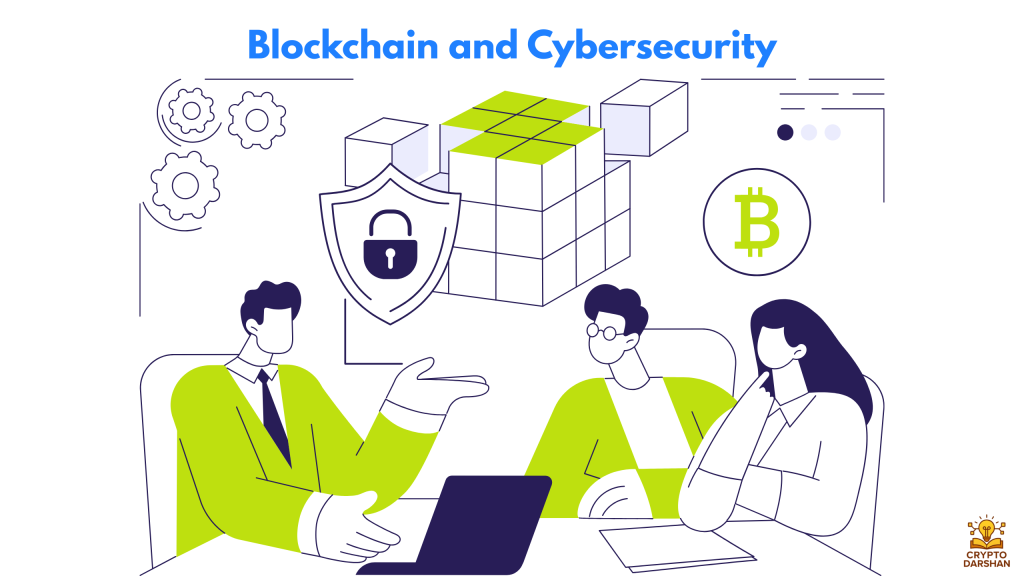
Blockchain enhances cybersecurity by decentralizing data storage. Instead of relying on a single server, information is distributed across multiple nodes, making it harder for hackers to compromise systems.
18. Gaming and Virtual Assets
In gaming, blockchain secures ownership of digital assets like skins, weapons, and collectibles. Players can trade items across platforms, and developers can create transparent in-game economies.
19. Music and Entertainment
Musicians and creators use blockchain to manage royalties and licensing. Smart contracts ensure artists are paid automatically when their work is streamed or sold. This reduces disputes and improves fairness in the industry.
20. Agriculture and Farming
Blockchain helps farmers track crops, monitor supply chains, and access fair pricing. It also supports agricultural insurance by verifying weather data and crop yields. This improves transparency and trust in the food industry.
21. Humanitarian Aid
Blockchain ensures that humanitarian aid reaches those in need. Organizations use it to track donations, distribute resources, and verify recipients. This reduces corruption and improves accountability in crisis zones.
22. Legal Industry
Law firms use blockchain to store contracts, evidence, and case files securely. Smart contracts automate legal agreements, reducing administrative work and ensuring compliance.
23. Art and Collectibles
Blockchain applications authenticate artwork and collectibles through digital certificates. Buyers can verify provenance and ownership history, reducing forgery and fraud in the art market. This blockchain application provides immutable records that protect both artists and collectors from counterfeit sales.
24. Internet of Things (IoT) Integration
Blockchain secures IoT devices by recording data exchanges on a decentralized ledger. This prevents unauthorized access and ensures data integrity across connected devices.
25. Media and Journalism
Blockchain applications combat fake news by verifying sources and timestamps of published content. Journalists can prove authorship, and readers can trust that information is authentic. This blockchain application creates an immutable ledger that prevents content manipulation and restores trust in digital media.
26. Environmental Sustainability
Blockchain applications track carbon credits and environmental initiatives. Companies can verify their sustainability claims, and consumers can support eco-friendly brands with confidence. This blockchain application provides transparent, auditable records of environmental impact that prevent greenwashing and build consumer trust.
27. Transportation and Mobility
Blockchain supports ride-sharing and vehicle tracking systems. It records maintenance history, ownership, and usage data, improving safety and transparency in transportation networks.
28. Sports and Fan Engagement
Sports organizations use blockchain to issue digital tickets and collectibles. Fans can buy, sell, or trade verified memorabilia, while teams prevent ticket fraud and scalping.
29. Human Resources and Payroll
Blockchain applications automate payroll processing and verify employee credentials. Payments can be made instantly across borders, reducing fees and administrative delays. This blockchain application eliminates intermediary banks and ensures transparent, tamper-proof employment records for global teams.
30. Decentralized Finance (DeFi)
DeFi platforms use blockchain to offer financial services without intermediaries. Users can lend, borrow, and trade assets directly through smart contracts. This democratizes access to financial tools and promotes financial inclusion.

The Future of Blockchain Technology
Blockchain’s potential extends far beyond cryptocurrency. Its ability to create trust, transparency, and efficiency makes it a cornerstone of digital transformation. As industries continue to adopt blockchain, new applications will emerge, reshaping how data, assets, and value are exchanged globally.
From healthcare to energy, blockchain is redefining the way organizations operate and interact. Its decentralized nature empowers individuals, enhances accountability, and fosters innovation across every sector. The future of blockchain lies in collaboration, scalability, and integration with emerging technologies like artificial intelligence and the Internet of Things. Once you understand how blockchain is being used in areas like trade finance, tokenization and high‑speed payments, the next step is working out how (or whether) to reflect those trends in your own Bitcoin and crypto strategy. For that, it can help to look at structured Bitcoin strategies designed for 2026 rather than just reacting to headlines.
FAQ: Blockchain Applications – Real-Use Cases Beyond Crypto
1. What is blockchain technology?
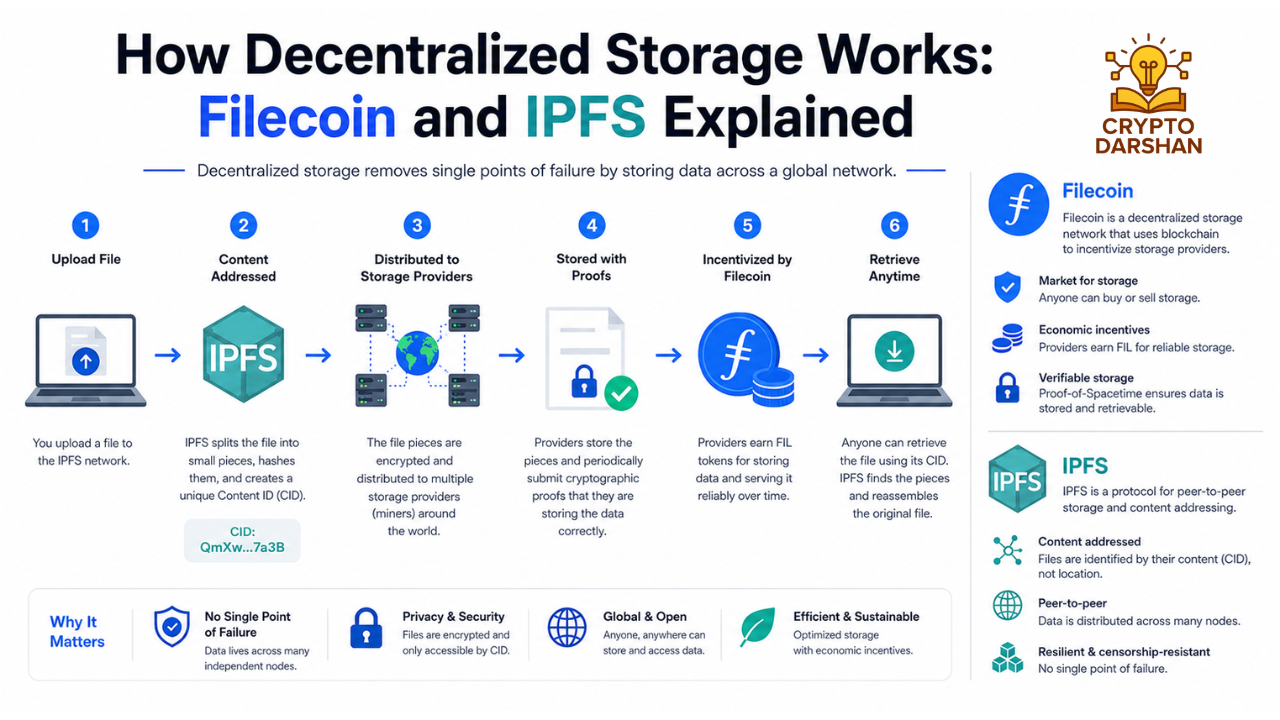
Blockchain is a decentralized digital ledger that records transactions and data across multiple computers. It ensures transparency, security, and immutability, making it useful for many industries beyond cryptocurrency.
2. Can blockchain be used for purposes other than cryptocurrency?
Yes. While blockchain gained popularity through cryptocurrencies, it is now used in supply chain management, healthcare, finance, real estate, voting systems, digital identity verification, and more.
3. How does blockchain improve supply chain management?
Blockchain provides real-time tracking of products from manufacturers to consumers. It helps reduce fraud, improves transparency, verifies product authenticity, and enhances inventory management.
4. What role does blockchain play in healthcare?
Blockchain can securely store and share patient records, improve data privacy, reduce administrative errors, and enable authorized healthcare providers to access accurate medical information.
5. How is blockchain used in digital identity management?
Blockchain allows individuals to control and verify their identities without relying on centralized databases. This reduces identity theft risks and improves online security.
6. Can blockchain make voting systems more secure?
Yes. Blockchain-based voting systems can create transparent and tamper-resistant election records, helping to improve voter trust and reduce the risk of manipulation.
Conclusion
Blockchain technology is no longer confined to digital currencies. Its real-world applications span industries, improving transparency, security, and efficiency. With 30 diverse use cases, blockchain proves to be a transformative force driving the next wave of digital innovation. As adoption grows, it will continue to redefine trust and reshape the global economy.