

Crypto markets are on edge as reports spread that a US strike on Iran might take place within the next few hours. While panic selling has already wiped out huge value, historical trends indicate that this might be a buying opportunity rather than a complete collapse.
Geopolitical Storm Hits Trading Floors

Talk of possible military action has made traders nervous, and prediction platforms like Polymarket are seeing a surge in bets on whether conflict will happen.
Meanwhile, the Crypto Fear & Greed Index has dropped to just 5, placing the market deep in “extreme fear.” That level is similar to what we saw during the 2020 pandemic crash and the harsh bear market of 2022. As discussed in our previous blog on crypto market psychology, waves of FOMO and FUD often amplify short-term moves, and with geopolitical tensions rising, crypto markets could see panic selling or sudden relief rallies.
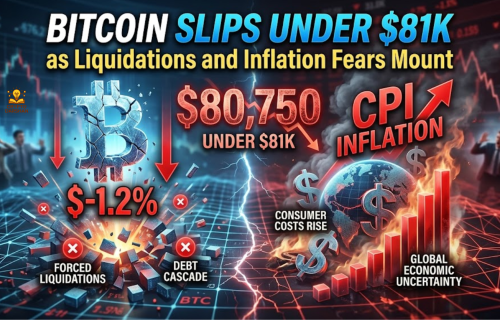
Bitcoin’s taken a beating, breaking below vital support like its 50-day moving average and pulling altcoins down with it. Total market cap has shed over $2.22 trillion from recent highs, a 50% plunge that’s among the worst in crypto history, with experts noting it’s just $60 billion shy of the biggest ever drawdown.
But here’s the calm in the storm: Crypto has survived bigger scares. From Russia’s Ukraine push to Middle East tensions, markets dip hard then rebound fast.
Bitcoin and Altcoins Feel the Heat

Bitcoin is hanging by a thread after slipping below key support levels that bulls fought hard to defend. Ethereum and other major coins like Solana have dropped by double digits, while leveraged traders are getting wiped out in waves of liquidations.
The main reason? Classic risk-off behavior. Stocks are weakening, gold is shining, and crypto markets are acting like a high-risk bet. If military tensions escalate, oil prices could spike, trade could slow, and investors may rush to hold cash.
Looking closer, the USDT supply has fallen by over $3 billion recently. Similar declines happened near the bottom of the FTX crash, when heavy selling finally started to ease.
History’s Playbook on Crisis Dips

Geopolitics isn’t crypto’s first rodeo. Russia’s 2022 Ukraine invasion? BTC fell 12% overnight but climbed back in weeks. COVID 2020? 50% crash, then a 1,600% surge.
Last year’s Israel-Hamas flare-up caused quick 5-8% Bitcoin slips, resolved in days. Decentralized networks keep money moving across borders, dodging war zones.
| Past Event | Bitcoin Drop | Recovery Speed | Takeaway |
|---|---|---|---|
| 2022 Ukraine War | -12% | Weeks | Safe-haven flows returned |
| 2020 COVID Panic | -50% | Months to new highs | Policy boosts ignited rally |
| 2023 Israel-Hamas | -5-8% | Days | Fast stabilization |
| 2026 Iran Tensions | -50% so far | Ongoing | Capitulation near? |
These patterns show volatility as the norm crashes fade when headlines cool.
Strike Scenarios: Worst vs. Best Case

If strikes happen, we could see another 10-20% drop in the short term. Oil could surge if retaliation blocks key routes like the Hormuz Strait, putting pressure on global risk assets.
But a full-blown crash usually needs more than just fear; it takes extreme leverage or major scandals like Luna or FTX. Right now, fear is near its peak, meaning most sellers are already out. Platforms like Polymarket are pricing in the drama, so crypto markets might hold steady.
If strikes don’t happen, we could see a sharp relief bounce. At the same time, a tightening stablecoin supply could create opportunities for bulls once the panic eases.
How Broader Crypto Markets React

Crypto is currently moving in line with traditional markets. When the Nasdaq falls and the VIX rises, Bitcoin often drops too, making it look like a risk asset in the short term.
But during wars or high inflation, Bitcoin’s “digital gold” story gains strength. With ETFs holding billions and countries using crypto for remittances, its long-term appeal still centers on scarcity and financial resilience.
Smart Moves for Every Trader

- Day traders: Hold off, set tight stops, ditch leverage till clear.
- Long-term holders: DCA into fear history rewards the patient.
- Beginners: This is crypto life. Spread bets, tune out noise.
Rumors of U.S. strikes on Iran rattle nerves, but with $2.22 trillion gone and fear peaking, resilience points to recovery. Markets crave certainty; whatever breaks first likely sparks the turnaround. Ultimately, while a potential U.S. strike on Iran could trigger another wave of short-term volatility, the data suggests markets may already be pricing in extreme risk