
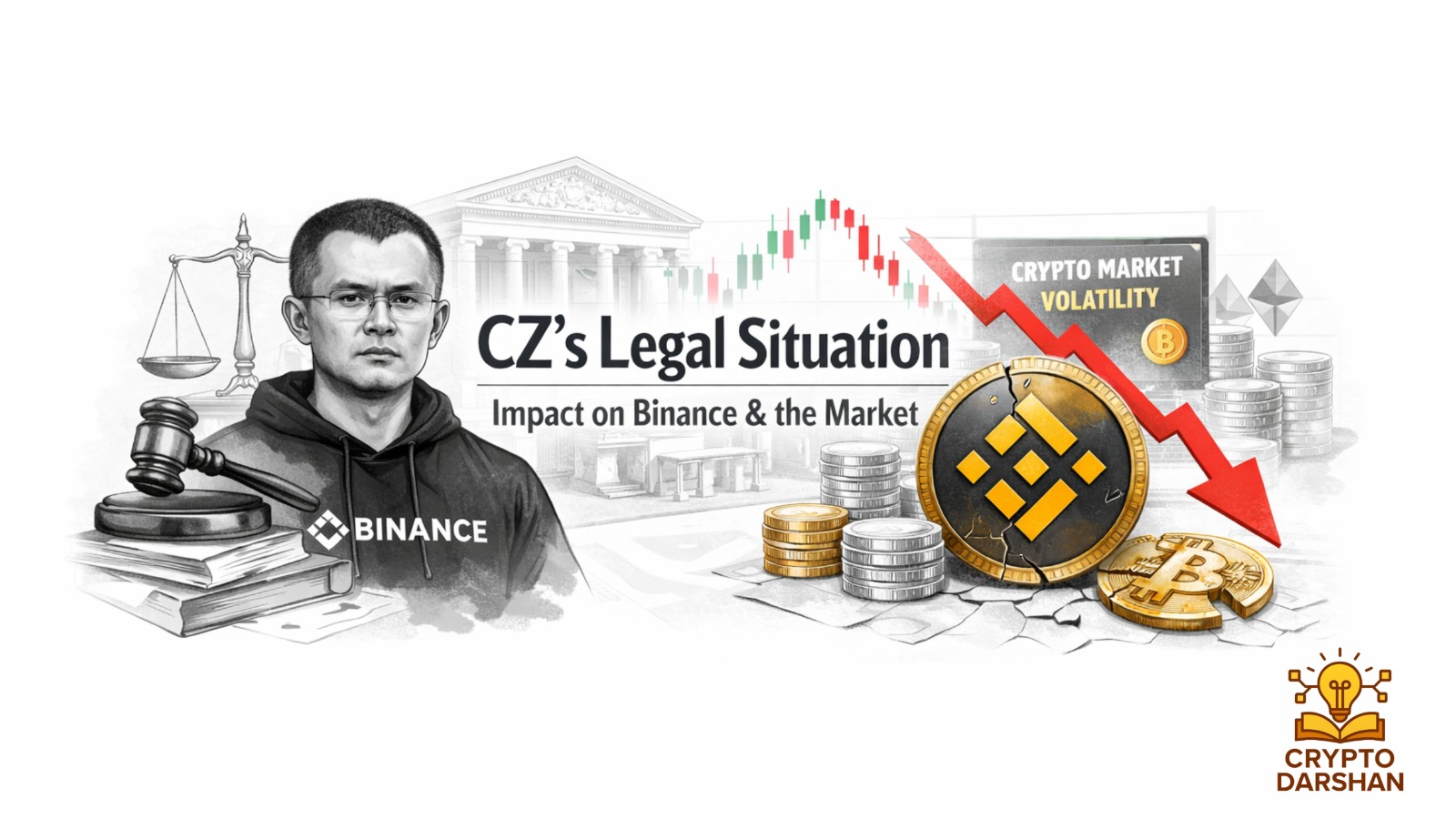
Changpeng Zhao, widely known as CZ, is one of the most influential figures in the cryptocurrency industry. As the founder and former CEO of Binance, the world’s largest cryptocurrency exchange by trading volume, CZ has played a pivotal role in shaping the global digital asset landscape. However, his legal challenges in recent years have sent shockwaves through the crypto community, raising questions about Binance’s future, regulatory compliance, and the broader market’s stability.
In 2026, CZ’s legal situation continues to be a major topic of discussion among investors, regulators, and analysts. The controversy also comes at a time when the broader Bitcoin supercycle thesis is being questioned, a topic we analyzed in Bitcoin Supercycle 2026 in Doubt: CZ Explains Shift Amid Global FUD. The outcomes of his legal proceedings have far-reaching implications not only for Binance but also for the entire cryptocurrency ecosystem. This article explores the background of CZ’s legal troubles, their impact on Binance’s operations, the market’s reaction, and what the future may hold for the exchange and the crypto industry as a whole.
Background: Who Is CZ?
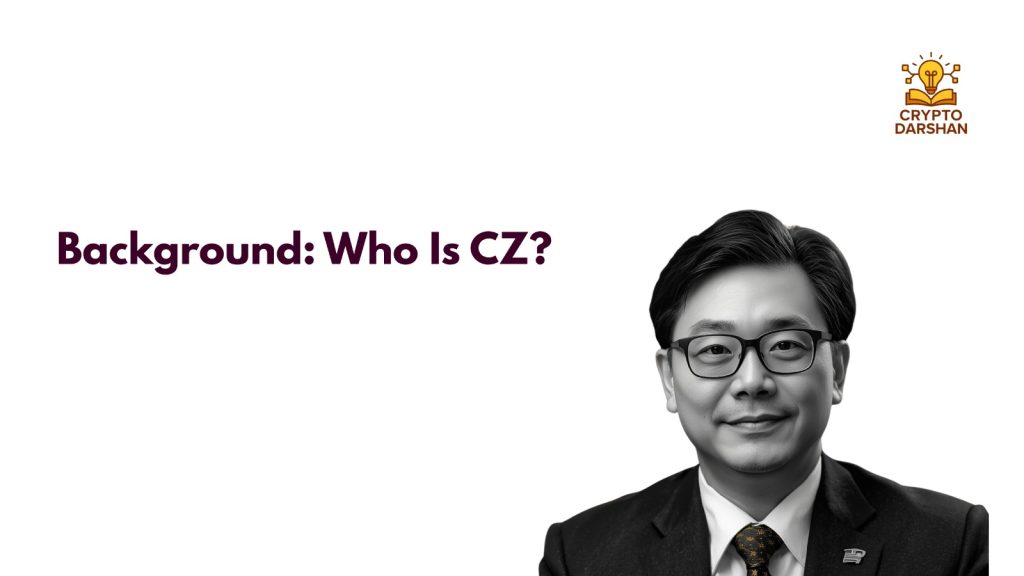
Changpeng Zhao, commonly known as CZ, is a key figure in the cryptocurrency industry. CZ is renowned for founding and leading Binance, one of the largest cryptocurrency exchanges globally. The exchange became known for its wide range of trading pairs, low fees, and rapid innovation in areas such as decentralized finance (DeFi), non-fungible tokens (NFTs), and blockchain infrastructure.
Under CZ’s leadership, Binance expanded into more than 100 countries, serving millions of users worldwide. However, its rapid growth also attracted regulatory scrutiny. Governments and financial authorities began questioning Binance’s compliance with anti-money laundering (AML) laws, know-your-customer (KYC) requirements, and securities regulations.
The Legal Challenges Facing CZ

1. U.S. Regulatory Investigations
CZ’s legal troubles began intensifying in 2023 when U.S. regulators, including the Commodity Futures Trading Commission (CFTC) and the Securities and Exchange Commission (SEC), launched investigations into Binance’s operations. The agencies alleged that Binance had allowed U.S. customers to trade unregistered securities and derivatives without proper licensing.
The Department of Justice (DOJ) also began probing Binance for potential violations of AML laws. These investigations culminated in a series of lawsuits and enforcement actions that placed CZ and Binance under immense pressure.
2. Settlement and Guilty Plea
In late 2023, Binance reached a historic settlement with U.S. authorities, agreeing to pay over $4 billion in fines. As part of the settlement, CZ stepped down as CEO and pleaded guilty to charges related to AML violations. He agreed to pay a personal fine and faced potential sentencing, marking one of the most significant legal outcomes in crypto history.
3. Global Regulatory Fallout
Following the U.S. settlement, regulators in other jurisdictions began tightening their oversight of Binance. Countries such as the United Kingdom, Japan, and Canada imposed stricter licensing requirements or restricted Binance’s operations. This global regulatory wave forced Binance to restructure its compliance framework and governance model.
Binance’s Response to CZ’s Legal Situation

1. Leadership Transition
After CZ’s resignation, Binance appointed Richard Teng, a former regulator and compliance expert, as its new CEO. Teng’s appointment signaled Binance’s commitment to strengthening its regulatory relationships and rebuilding trust with global authorities.
Under Teng’s leadership, Binance has focused on transparency, compliance, and risk management. The exchange has implemented stricter KYC procedures, enhanced AML monitoring, and increased cooperation with regulators.
2. Strengthening Compliance Infrastructure
Binance has invested heavily in compliance technology and personnel. The exchange now employs hundreds of compliance officers and uses advanced blockchain analytics tools to monitor transactions for suspicious activity. These measures aim to prevent future legal issues and align Binance with global financial standards.
3. Corporate Restructuring
To address regulatory concerns, Binance has restructured its corporate entities. It has established regional subsidiaries with local licenses, ensuring that each operates under the jurisdiction’s specific regulatory framework. This decentralized corporate model enhances accountability and transparency.
4. Public Relations and Community Engagement
Binance has launched several initiatives to restore public confidence. The exchange regularly publishes proof-of-reserves reports, engages with the community through educational programs, and maintains open communication channels with users and partners.
Market Reaction to CZ’s Legal Troubles

1. Immediate Market Volatility
When news of CZ’s legal issues and Binance’s settlement broke, the crypto market experienced significant volatility. Bitcoin and other major cryptocurrencies saw short-term price declines as investors reacted to uncertainty surrounding Binance’s future.
However, the market quickly stabilized as Binance continued operations without major disruptions. The exchange’s ability to maintain liquidity and trading volume reassured users and investors.
2. Impact on Binance Coin (BNB)
BNB, Binance’s native token, was directly affected by CZ’s legal situation. The token’s price dropped sharply following the announcement of the settlement, but gradually recovered as confidence in Binance’s stability returned. BNB remains one of the top cryptocurrencies by market capitalization, supported by its utility within the Binance ecosystem. Market doubt surrounding Bitcoin’s supercycle mirrors the trust concerns highlighted in Crypto Community Turns on CZ and Binance After Token Crash Backlash.
3. Investor Sentiment
Investor sentiment toward Binance has been mixed. While some traders expressed concerns about regulatory risks, others viewed the settlement as a positive step toward long-term stability. The resolution of CZ’s legal uncertainties has allowed Binance to focus on growth and innovation.
4. Competitor Advantage
CZ’s legal troubles temporarily benefited Binance’s competitors. Exchanges like Coinbase, Kraken, and OKX saw increased trading volumes as some users diversified their holdings. However, Binance’s global reach and liquidity have helped it retain its dominant market position.
The Broader Impact on the Crypto Industry
1. Regulatory Clarity
CZ’s legal case has accelerated regulatory clarity in the crypto industry. Governments worldwide are now developing clearer frameworks for exchange operations, AML compliance, and consumer protection. This shift is expected to create a more stable and transparent environment for crypto businesses.
2. Compliance as a Competitive Advantage
The Binance case has highlighted the importance of compliance in the crypto sector. Exchanges that proactively adopt regulatory standards are now seen as more trustworthy by investors and institutions. This trend is driving the professionalization of the industry.
3. Institutional Adoption
Despite short-term uncertainty, institutional interest in crypto continues to grow. The resolution of Binance’s CZ’s legal issues has reassured many institutional investors that the industry is maturing and becoming more regulated. This could lead to increased capital inflows into digital assets.
4. Innovation and Decentralization
The CZ’s legal challenges faced by centralized exchanges like Binance have renewed interest in decentralized finance (DeFi). Many users are turning to decentralized platforms that operate without intermediaries, seeking greater transparency and control over their assets.
Binance’s Strategic Adjustments Post-CZ

1. Focus on Regional Licensing
Binance has prioritized obtaining licenses in key markets such as the European Union, the Middle East, and Asia. These licenses allow the exchange to operate legally and build stronger relationships with regulators.
2. Expansion into Web3 and Blockchain Infrastructure
Beyond trading, Binance is investing in Web3 technologies, including decentralized applications (dApps), blockchain gaming, and metaverse projects. The Binance Smart Chain (BSC) continues to evolve, supporting thousands of projects and developers.
3. Strengthening User Protection
Binance has introduced new user protection measures, including insurance funds, enhanced security protocols, and educational initiatives. These efforts aim to safeguard users’ assets and promote responsible trading practices.
4. Diversification of Revenue Streams
To reduce reliance on trading fees, Binance is diversifying its business model. The exchange now offers services such as staking, lending, institutional custody, and blockchain infrastructure solutions.
The Role of Richard Teng in Binance’s Future

1. Strengthening Regulatory Compliance
Richard Teng’s background as a former regulator gives Binance a strong advantage in navigating global compliance challenges. He has prioritized aligning Binance with international financial laws, ensuring the exchange meets anti-money laundering (AML) and know-your-customer (KYC) standards across all jurisdictions.
2. Rebuilding Trust and Transparency
After CZ’s legal issues, Teng’s leadership focuses on restoring user and investor confidence. He has introduced transparency measures such as proof-of-reserves reports, regular audits, and open communication with regulators and the public to reinforce Binance’s credibility.
3. Enhancing Corporate Governance
Teng is restructuring Binance’s internal governance to make it more accountable and professional. This includes clearer decision-making processes, stronger internal controls, and a more decentralized management structure to ensure long-term stability.
4. Expanding Global Licensing and Operations

Under Teng, Binance is actively pursuing licenses in key markets like the European Union, the Middle East, and Asia. These licenses allow Binance to operate legally and strengthen its relationships with local regulators, paving the way for sustainable global expansion.
5. Focusing on User Protection and Security
Teng has emphasized user safety as a top priority. Binance has introduced enhanced security protocols, insurance funds, and educational initiatives to protect users from fraud, hacks, and market risks.
6. Driving Institutional Partnerships
Teng is working to attract institutional investors by promoting compliance and transparency. His leadership aims to bridge traditional finance and crypto, encouraging banks, fintech firms, and asset managers to collaborate with Binance.
7. Diversifying Binance’s Business Model
To reduce dependence on trading fees, Teng is expanding Binance’s services into staking, lending, custody, and blockchain infrastructure. This diversification strengthens Binance’s financial resilience and long-term growth potential.
Global Regulatory Landscape After CZ’s Legal Case

1. United States
The U.S. continues to lead in enforcing crypto regulations. The Binance case has set a precedent for how regulators handle non-compliant exchanges. Future crypto firms operating in the U.S. are expected to adhere to stricter AML and securities laws.
2. Europe
The European Union’s Markets in Crypto-Assets (MiCA) regulation provides a comprehensive framework for crypto operations. Binance’s efforts to comply with MiCA demonstrate its commitment to operating within legal boundaries.
3. Asia-Pacific
Countries like Singapore, Japan, and South Korea are adopting balanced regulatory approaches. Binance’s regional subsidiaries in these markets are working closely with authorities to ensure compliance and foster innovation.
4. Middle East and Africa
The Middle East, particularly the United Arab Emirates, has emerged as a crypto-friendly hub. Binance’s expansion in Dubai and Bahrain reflects its strategy to operate in jurisdictions with clear and supportive regulations.
Market Recovery and Long-Term Outlook

1. Restored Confidence
Despite initial turbulence, Binance has regained user trust through transparency and compliance efforts. The exchange’s continued dominance in trading volume and liquidity demonstrates its resilience.
2. Growth of BNB Ecosystem
BNB’s utility continues to expand across the Binance ecosystem, including payments, staking, and decentralized applications. The token’s recovery reflects renewed investor confidence in Binance’s long-term vision.
3. Institutional Partnerships
Binance is forming partnerships with financial institutions, fintech companies, and blockchain projects. These collaborations aim to bridge traditional finance and digital assets, driving mainstream adoption.
4. Continued Innovation
Binance remains committed to innovation through its blockchain network, Binance Smart Chain (BSC). The platform supports DeFi, NFTs, and Web3 projects, contributing to the broader growth of the crypto ecosystem.
Lessons Learned from CZ’s Legal Situation

1. Importance of Compliance
CZ’s case underscores the critical importance of regulatory compliance in the crypto industry. Exchanges must prioritize AML, KYC, and consumer protection to ensure long-term sustainability.
2. Transparency Builds Trust
Binance’s post-settlement transparency initiatives have helped rebuild user confidence. Regular audits, proof-of-reserves reports, and open communication are now essential for maintaining credibility.
3. Leadership Transition Can Strengthen Organizations
CZ’s departure, while challenging, allowed Binance to evolve under new leadership. The transition to Richard Teng has brought a renewed focus on governance and compliance.
4. Global Cooperation Is Key
The Binance case highlights the need for global regulatory cooperation. Harmonized regulations can create a safer and more efficient environment for crypto innovation and investment.
The Future of Binance and the Crypto Market

1. Binance’s Continued Dominance
Despite slegal challenges, Binance remains the largest and most influential exchange in the world. Its adaptability, innovation, and global reach ensure its continued relevance in the evolving crypto landscape.
2. Evolving Regulatory Environment
The crypto industry is moving toward greater regulation and institutionalization. Exchanges that embrace compliance will thrive, while those that resist may face increasing legal risks.
3. Rise of Decentralized Alternatives
The scrutiny of centralized exchanges has accelerated the growth of decentralized platforms. DeFi protocols and decentralized exchanges (DEXs) are gaining traction as users seek more transparent and self-custodial solutions.
4. Market Maturity and Stability
The resolution of major legal cases like CZ’s contributes to the overall maturity of the crypto market. As regulatory clarity improves, volatility is expected to decrease, paving the way for sustainable growth.
FAQ – CZ’s Legal Situation: Impact on Binance and the Market

1. Who is CZ, and why is he important in crypto?
Changpeng Zhao, widely known as CZ, is the founder of Binance, the world’s largest cryptocurrency exchange by trading volume. His leadership has played a major role in Binance’s global expansion and influence in the crypto market.
2. What legal issues has CZ faced?
CZ faced legal scrutiny from U.S. regulators, including the U.S. Department of Justice and the Securities and Exchange Commission, related to compliance, anti-money laundering (AML), and regulatory violations. These investigations resulted in major settlements and leadership changes at Binance.
3. Did CZ step down from Binance?
Yes. As part of legal agreements with U.S. authorities, CZ stepped down as CEO of Binance. Leadership transitioned to new executives to strengthen compliance and regulatory alignment.
4. How did Binance respond to the legal situation?
Binance implemented stronger compliance measures, improved transparency, enhanced KYC/AML procedures, and restructured its management team to rebuild trust with regulators and users.
5. How did the market react to CZ’s legal issues?
The market initially experienced volatility. Major cryptocurrencies like Bitcoin and Ethereum saw short-term price fluctuations as traders reacted to uncertainty. However, broader market stability often depends on liquidity, institutional demand, and macro factors.
6. Did Binance lose users or market share?
Following legal announcements, Binance saw temporary outflows and reduced trading volume. However, it remained one of the largest exchanges globally due to its deep liquidity and global user base.
7. Could this situation increase crypto regulation globally?
Yes. Regulatory actions against major industry leaders often accelerate global regulatory frameworks. Authorities worldwide are pushing for clearer crypto compliance standards, licensing, and reporting requirements.
8. What does this mean for Binance Coin (BNB)?
BNB experienced price volatility during legal developments. Since BNB is closely tied to the Binance ecosystem, investor sentiment around the exchange directly impacts the token’s performance.
9. Is Binance still safe to use?
Binance continues operating globally with enhanced compliance measures. However, users should always practice risk management, enable security features, and consider self-custody for long-term holdings.
Conclusion
CZ’s legal situation has been one of the most defining events in the history of cryptocurrency. It exposed the challenges of operating a global exchange in a rapidly evolving regulatory environment while highlighting the need for transparency, compliance, and accountability.
For Binance, the aftermath of CZ’s legal troubles has been both a test and an opportunity. Under new leadership, the exchange has strengthened its compliance framework, rebuilt trust, and reaffirmed its position as a global leader in digital finance.
For the broader crypto market, the case has accelerated regulatory development, encouraged institutional participation, and underscored the importance of responsible innovation.
As the industry moves forward, the lessons learned from CZ’s experience will shape the next phase of crypto evolution one defined by maturity, collaboration, and sustainable growth. Binance’s journey from controversy to compliance serves as a blueprint for how the crypto world can adapt, evolve, and thrive in the face of legal and regulatory challenges.